Is Chamomile Oil Safe for Dogs? A Practical Owner's Guide
Chamomile essential oil sits in a lot of households. It smells gentle, it has a long history of use in human self-care routines, and it is easy to assume that something so mild must be safe for everyone in the home, including your dog. That assumption deserves a closer look.
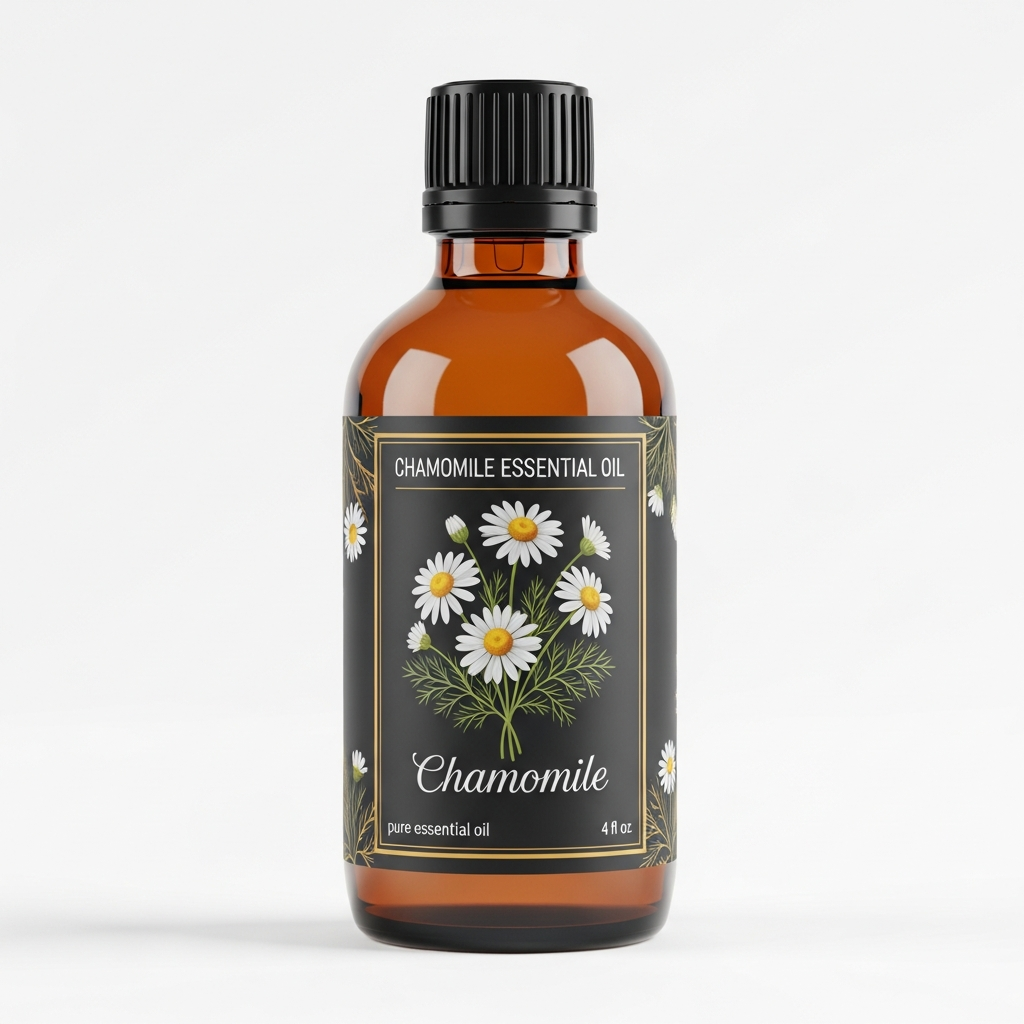
Chamomile Essential Oil
Our own Chamomile Essential Oil, in sizes from 0.5 oz to bulk.
From $29.38
Shop Now →This guide answers the most common questions dog owners ask about chamomile oil for dogs. The answers are grounded in current veterinary guidance, responsible aromatherapy practice, and plain honesty about what is still unknown. If you want the full botanical background on this oil first, our complete guide to chamomile essential oil is a good place to start.
The Basics: Chamomile Oil and Dogs
Q1: Is chamomile essential oil safe for dogs?
The short answer is: it depends on how it is used. Many veterinary aromatherapists and holistic vets consider diluted Roman chamomile essential oil to be one of the gentler oils around dogs, but "gentle" does not mean risk-free. Direct skin contact with undiluted oil, ingestion, or heavy diffusion in an unventilated space can all create problems for dogs regardless of how mild an oil smells to you.
Q2: Are Roman chamomile and German chamomile the same thing?
No, and the difference matters for dog owners. Roman chamomile (Chamaemelum nobile) is the variety most commonly discussed in pet-focused aromatherapy contexts and is generally considered the lower-risk option. German chamomile (Matricaria chamomilla) contains a compound called chamazulene, which gives it a distinctive deep blue color and a different chemical profile. Both should be used with equal caution around dogs, and neither should be used without guidance from a veterinarian.
Q3: Why are dogs more sensitive to essential oils than humans?
Dogs process compounds through their liver differently than humans do, and their detoxification pathways are less efficient with certain aromatic molecules. Their sense of smell is also estimated to be tens of thousands of times more sensitive than ours, which means a diffuser concentration that feels pleasant to you may be overwhelming to a dog in the same room. Size also plays a role: a small dog is exposed to a much higher relative concentration of any airborne substance than an adult human would be.
Q4: Is chamomile oil safe for dogs of all sizes and breeds?
Size is one of the most important variables. Toy breeds, puppies, senior dogs, and dogs with known health conditions face greater risk from any essential oil exposure. Breed-specific sensitivities are less well documented, but any dog that appears uncomfortable, restless, or shows physical signs of distress near an oil should be removed from the area immediately and a vet should be contacted.
Safe Use: Diffusion and the Home Environment
Q5: Can I diffuse chamomile essential oil in a room where my dog spends time?
Occasional, brief diffusion in a well-ventilated room is what many pet-focused aromatherapy guides describe as the most manageable approach, but there are conditions attached. The dog must always have a clear exit route so it can leave the room voluntarily. Never diffuse in a small, closed space with a dog, and limit sessions to short periods rather than running a diffuser continuously throughout the day.
Q6: How do I know if my dog is reacting badly to a diffused oil?
Watch for watery eyes, excessive drooling, pawing at the face, sneezing repeatedly, lethargy, unsteady movement, or any sudden change in behavior. If you notice any of these signs while an oil is diffusing, turn off the diffuser, move the dog to fresh air, and call your veterinarian. Do not wait to see if symptoms resolve on their own.
Q7: Are passive diffusers (reed diffusers, candles) safer than ultrasonic diffusers?
Reed diffusers and candles release aromatic compounds continuously and often without the owner thinking of them as "diffusion" at all. From a dog's perspective, the airborne concentration may be lower than an ultrasonic diffuser running on a high setting, but the exposure is constant rather than time-limited. Keep all fragrance sources out of reach and well-ventilated regardless of the format.
Q8: Can I use chamomile oil in my laundry or on dog bedding?
Adding undiluted essential oil directly to dog bedding is not recommended. The dog's nose and face will be pressed against that surface for hours, creating prolonged close-contact exposure. If you want a light aromatic note on bedding, allow it to air out thoroughly and completely before the dog uses it, and discuss the approach with your vet first.
Topical Use: Applying Chamomile Oil On or Near Dogs

Q9: Can I apply diluted chamomile essential oil directly to my dog's skin or coat?
This is an area where veterinary guidance varies, and you should not attempt it without first consulting a vet. Some holistic veterinarians do discuss diluted topical applications in specific contexts, but the appropriate carrier oil, dilution ratio, application site, and frequency all depend on the individual dog. What works for one dog may not suit another.
Q10: What dilution ratio is safe for dogs?
General aromatherapy guidance for dogs, when topical use has been approved by a vet, typically points to much lower concentrations than for humans: often 0.5% to 1% dilution, compared to the 2% to 3% range commonly used for adults. For small dogs, puppies, and seniors, even lower concentrations are often suggested. Always follow your veterinarian's specific instructions rather than general online guidelines.
Q11: Which areas of a dog's body should never have essential oil applied?
Avoid the nose, mouth, eyes, ears, and any area where skin is broken, irritated, or particularly thin. Also avoid areas the dog can easily lick, since ingestion is a separate concern from topical exposure. If you are using any topical product around a dog, assume the dog will attempt to lick it off and plan accordingly.
Q12: Are chamomile-infused products (like shampoos) different from pure essential oil?
Yes, and this distinction is worth understanding. Many commercial pet shampoos and grooming products list chamomile extract or chamomile flower water as an ingredient. These are typically diluted formulations designed specifically for animal use and are very different from concentrated essential oil applied directly. Always check that any product is labeled as safe for dogs and has been formulated accordingly.
Ingestion: What Happens If a Dog Eats Chamomile Oil?
Q13: Is chamomile essential oil safe for dogs if they accidentally ingest it?
Ingestion of essential oils is a veterinary emergency, full stop. Even small amounts of concentrated essential oil can cause serious problems when swallowed by a dog. If you suspect your dog has ingested any amount of chamomile essential oil, contact your veterinarian or an animal poison control hotline immediately.
Q14: What about chamomile tea or dried chamomile? Are those safer than the essential oil?
Chamomile tea and dried chamomile flowers have a very different concentration profile than essential oil, which is highly concentrated by nature. However, chamomile as a plant does belong to the Asteraceae family, and dogs with sensitivities to plants in this family may react to any chamomile product. Any dietary addition for your dog should be discussed with a veterinarian before you try it.
Q15: My dog seems to like the smell of chamomile. Does that mean it is safe?
A dog showing interest in a scent is not the same as the scent being safe for that dog. Dogs investigate smells naturally, including ones that could cause them discomfort if the exposure continued. Curiosity toward a scent is not a green light for extended or direct contact.
Specific Situations and Vulnerable Dogs
Q16: Is chamomile essential oil safe for dogs that are pregnant or nursing?
Pregnant and nursing dogs are considered higher-risk for essential oil exposure, and most veterinary guidance recommends avoiding essential oils entirely during these periods. The same caution extends to very young puppies. If you have a pregnant or nursing dog in the house, it is worth reviewing all aromatic products in your home with your vet.
Q17: Can chamomile oil be used around dogs with known plant sensitivities?
Dogs with known sensitivities to plants in the daisy family (Asteraceae) should be kept away from chamomile essential oil and chamomile-based products entirely. This is a case where checking with your vet before any exposure is especially important. Even airborne exposure through diffusion could be a concern for a sensitive dog.
Q18: My senior dog has health conditions. Are there extra risks?
Senior dogs, and dogs managing any ongoing health condition, often have reduced liver function or take medications that could interact with compounds in essential oils. Always inform your veterinarian about any essential oil use in your home, particularly if your dog is on medication. This is not an area where a cautious wait-and-see approach is appropriate.
Q19: Is chamomile oil more or less risky than other popular essential oils for dogs?
Some oils are considered significantly higher risk for dogs than chamomile, including tea tree oil, eucalyptus, and several citrus oils, which most veterinary sources classify as clearly problematic. Roman chamomile is often placed lower on the risk scale by holistic vets, but lower risk is not the same as no risk. For a broader perspective on how essential oils compare across different pets, see our guide on chamomile essential oil safety for cats, which covers related considerations for feline households.
Practical Use: What Dog Owners Actually Do
Q20: I use chamomile oil in my bedtime wind-down routine. How do I do this without exposing my dog?
If your dog sleeps in a separate room, diffusing briefly before your own bedtime and allowing the room to air before your dog enters is one approach. If your dog shares your bedroom, consider using a personal inhaler or applying a very small amount of diluted oil to your own wrists well before bedtime, so the immediate aromatic concentration has dissipated. Keeping the room well-ventilated is always good practice.
Q21: Are there dog-specific calming products with chamomile that are already formulated safely?
Yes. The pet care market includes a range of products, such as sprays, collars, and grooming rinses, that incorporate chamomile alongside other botanicals and are formulated specifically for dogs. These products go through development processes intended to make them appropriate for animal use. Even so, checking ingredients, following usage instructions, and consulting your vet is always worthwhile.
Q22: How do I find a vet who is knowledgeable about essential oils and pets?
Veterinarians with a background in integrative or holistic practice are often the most informed on this topic. You can search for veterinarians with integrative medicine credentials through professional associations in your country. If your current vet is not familiar with essential oil questions, they may be able to refer you to a colleague who is.
Q23: Where can I learn more about responsible chamomile oil use in the home more broadly?
For everyday household and personal uses of chamomile oil that go beyond the pet-specific questions here, our article on 20 everyday chamomile oil ideas for home and self-care covers a wide range of practical applications. Just remember that any use in a shared home environment should account for everyone who lives there, including the four-legged members of the household.
A Practical Summary for Dog Owners
| Situation | General Guidance | Always Check With Your Vet If... |
|---|---|---|
| Diffusing in shared rooms | Brief, well-ventilated, dog has exit route | Dog is small, senior, or showing any symptoms |
| Topical application on dog | Not recommended without vet guidance | Always, before attempting |
| Accidental ingestion | Contact vet or poison control immediately | Any ingestion, no matter how small |
| Dog-specific grooming products | Use products labeled safe for dogs | Dog has known plant sensitivities |
| Pregnant or nursing dogs | Avoid essential oil exposure entirely | Before any aromatic product use |
The most reliable thing you can do before using any essential oil around your dog is to have a direct conversation with your veterinarian. Online guidance, including this article, can give you a useful starting framework, but your vet knows your specific dog.
Chamomile essential oil has a lot going for it as a botanical ingredient in human self-care routines. Bringing it into a home with dogs just requires a little more thought, a reliable source of veterinary advice, and genuine attention to how your dog is responding. Those three things together go a long way.