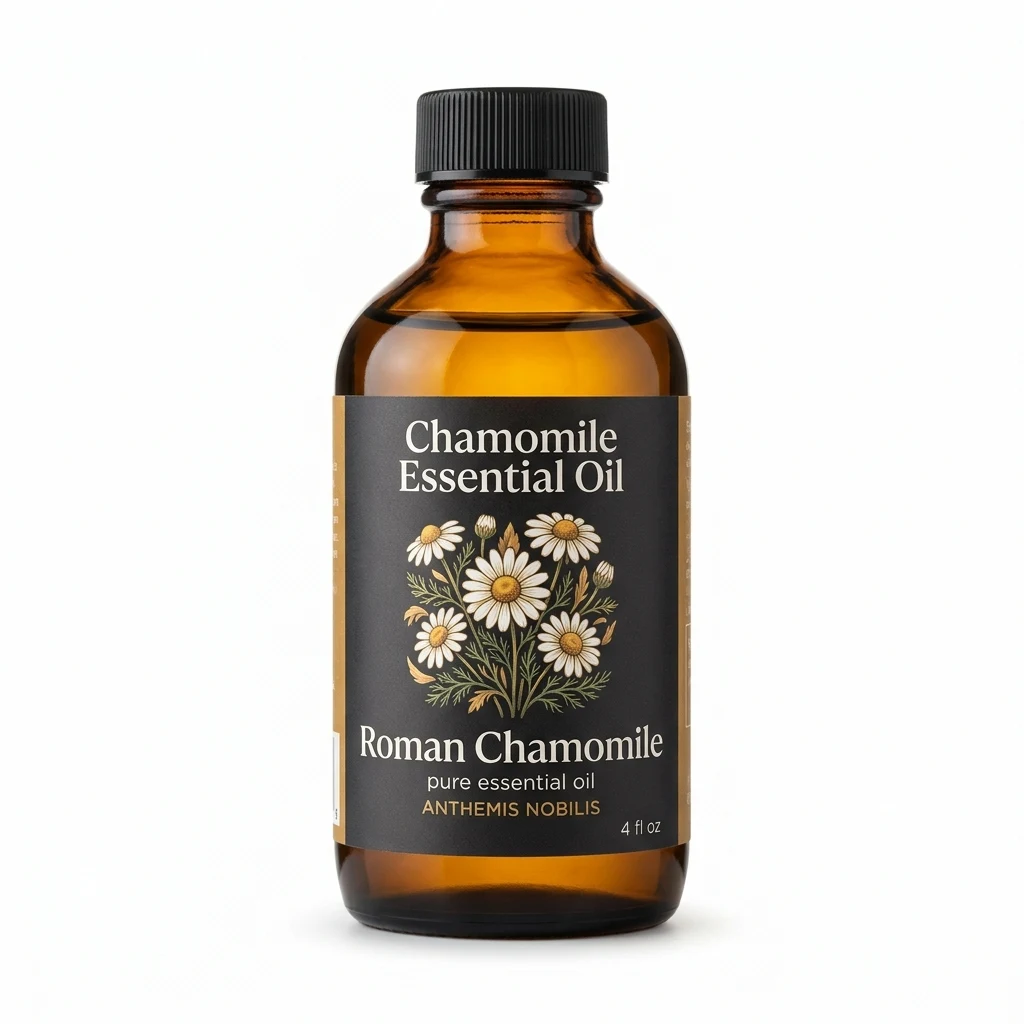
Chamomile Oil and Acne: What We Know and Don't
No trial of chamomile essential oil on acne turned up. What the guidelines, lab work and tea tree comparison show, and who to ask first.

Chamomile Aroma and Stress: What the Trials Used
The famous chamomile anxiety trials used capsules, not essential oil. A plain look at the smaller aroma studies, their limits and the dose spread.

Chamomile Oil for Digestion? Why Tea Is Different
Chamomile's reputation for the stomach was earned by the teacup. Here is why a distilled oil is a different material and what that means for our bottles.
Chamomile Oil and Headaches: What the Studies Cover
Before you reach for any fragrant oil, know that scent can be a headache trigger for some people. Here is what the studies say and how we use chamomile.

Chamomile Oil for Joint Pain: What the Knee Trial Found
A Persian knee study is the one everyone quotes. Here is what it measured, what 'chamomile oil' meant in it, and where a bottle of ours fits in a massage.

Chamomile Oil for Period Cramps: Start With Warmth
NHS advice for period pain starts with warmth and a tummy massage. See what the chamomile studies used (not oil) and how a scented massage fits in.
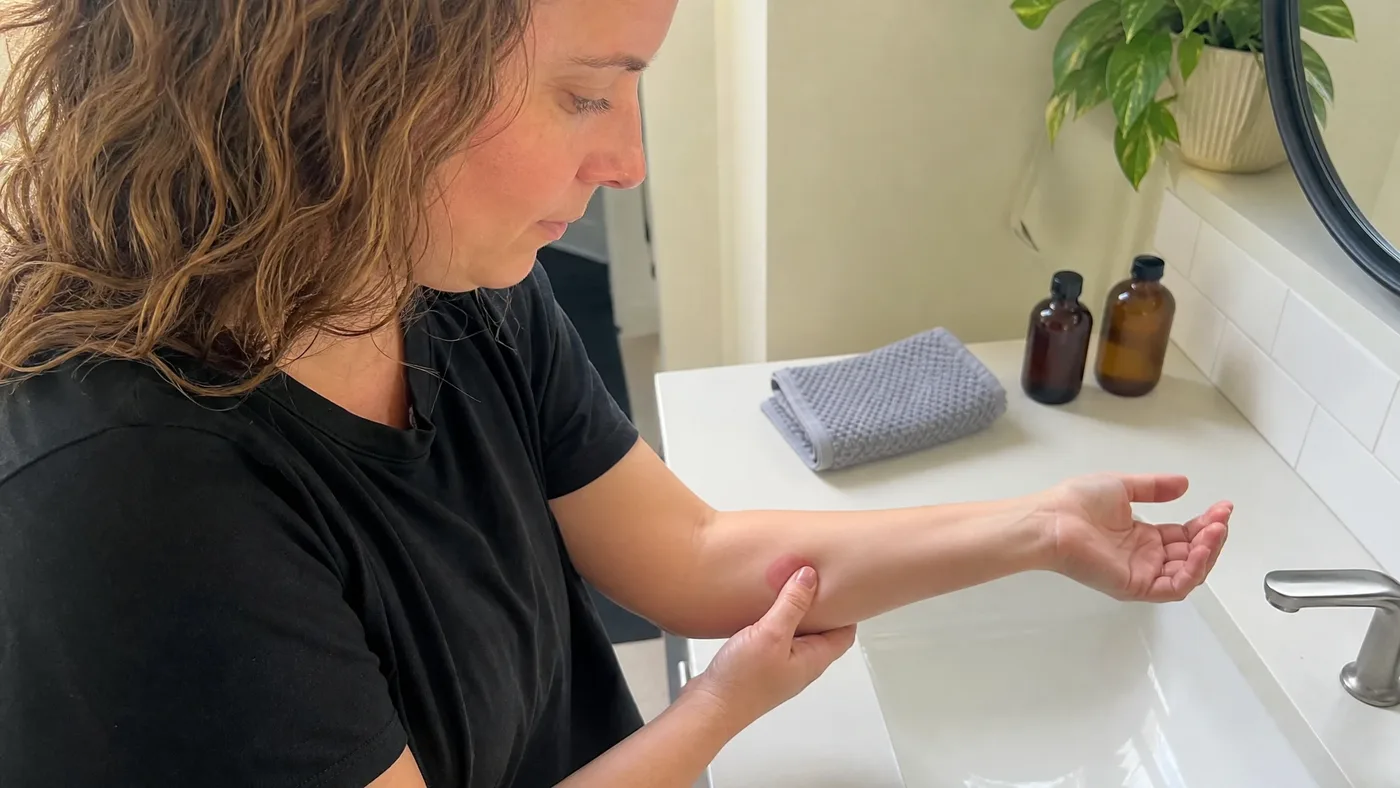
Chamomile Oil Side Effects: Allergy and Interactions
Most chamomile warnings come from tea, capsules and lotions. Here is what is known about allergy and interactions, and what that means for diluted oil.

The History of Chamomile: From Ground Apple to Blue Oil
A low creeping plant in Greek texts, a name that may mean ground apple, and a blue molecule named in 1863. Chamomile's documented story, told simply.
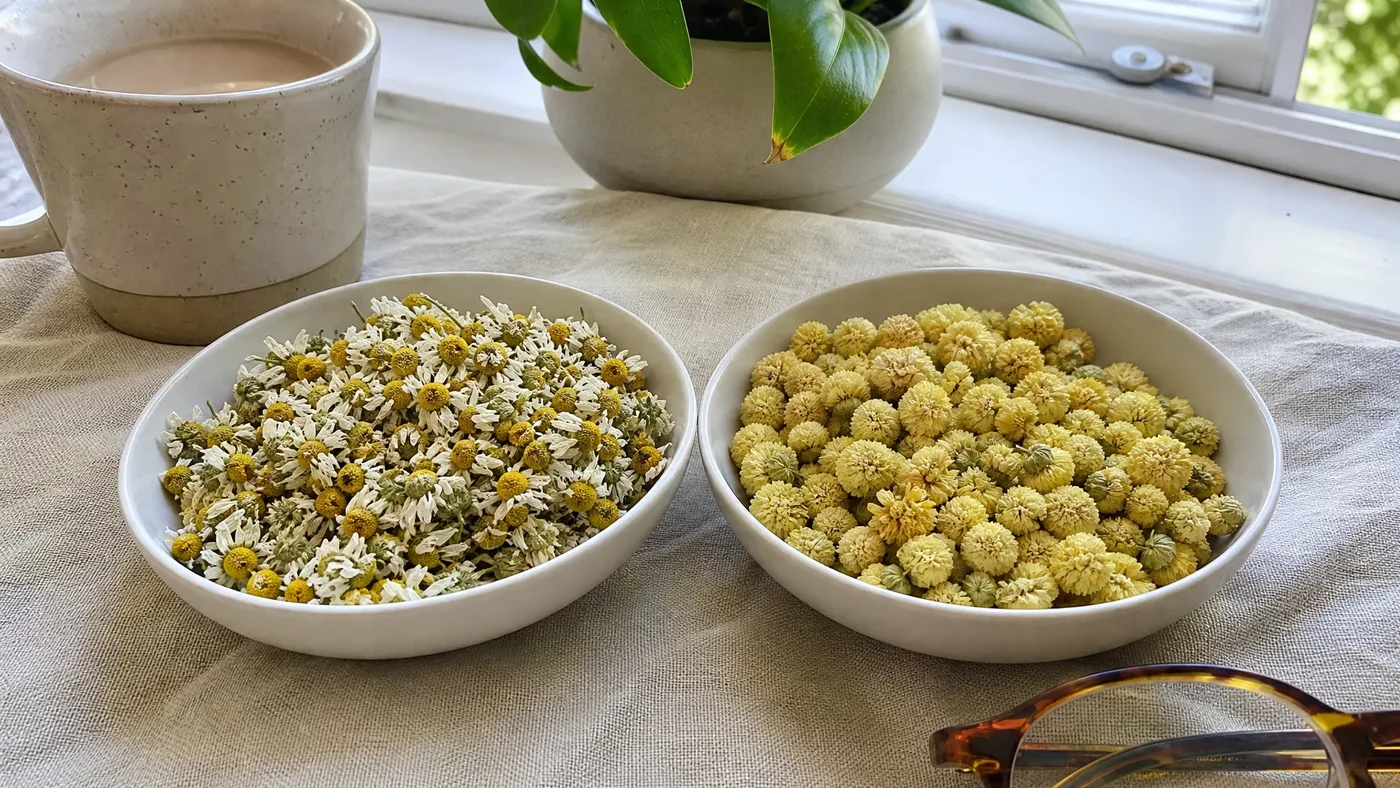
What Is Moroccan Chamomile Oil? One Name, Two Plants
A Moroccan chamomile label can mean a wild daisy relative or Roman chamomile grown there. Here is how the oils differ and what to check before you buy.
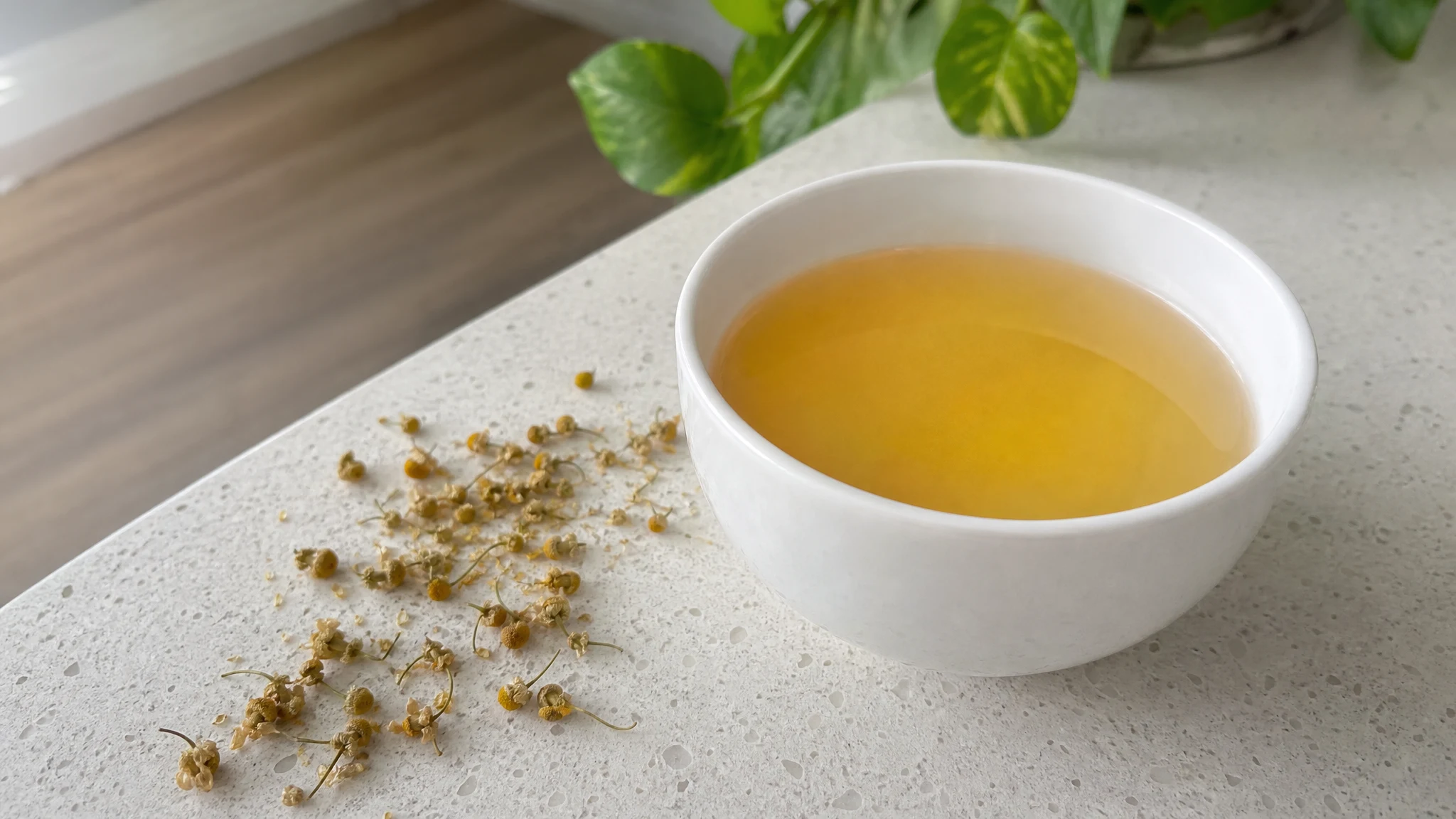
Chamomile Oil Myths: It's Not Tea in a Bottle
Tea and oil are different mixtures, blue color is a clue and not a test, and there are two chamomile plants. Five common myths, sorted.
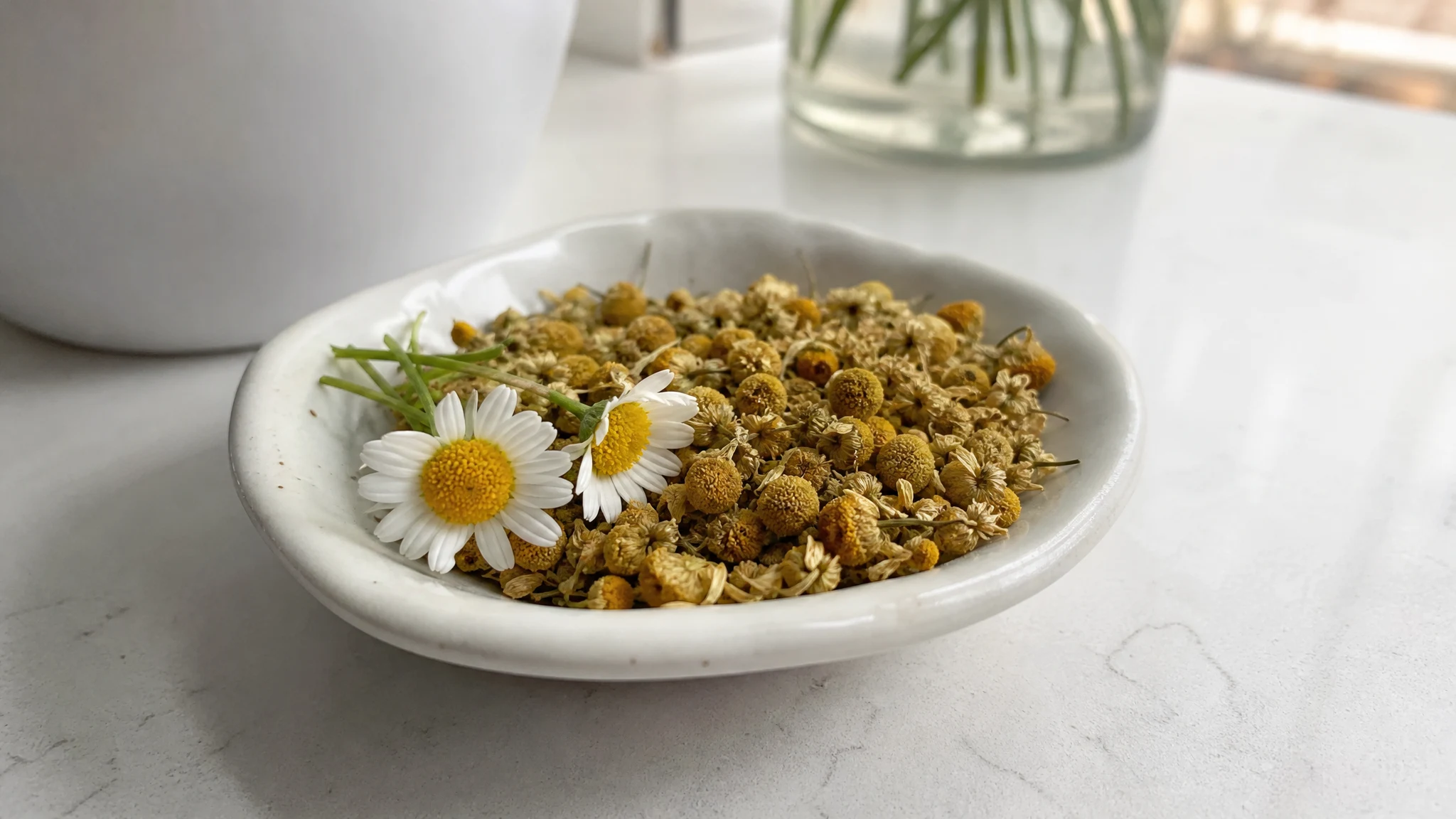
Bisabolol in Chamomile Oil: Roman or German?
Bisabolol is the chamomile compound everyone mentions. Which oil carries it, why it is not the blue, and what the research on it does and does not cover.

What Does Chamomile Oil Smell Like? Apple, Hay, Not Tea
Chamomile oil is sweet, herbaceous and apple-like, and it is not a tea bag in a bottle. Here is how Roman and German differ and why bottles vary.