Best Chamomile Home Fragrance Picks: Oils for Candles and Diffusers
Chamomile has a scent that stops people mid-step. It is soft, slightly fruity, faintly herbaceous, and unmistakably calming in the most sensory sense of the word. Whether you are filling a diffuser for a quiet evening or pouring candles for your small business, choosing the right chamomile home fragrance can make or break the final result.
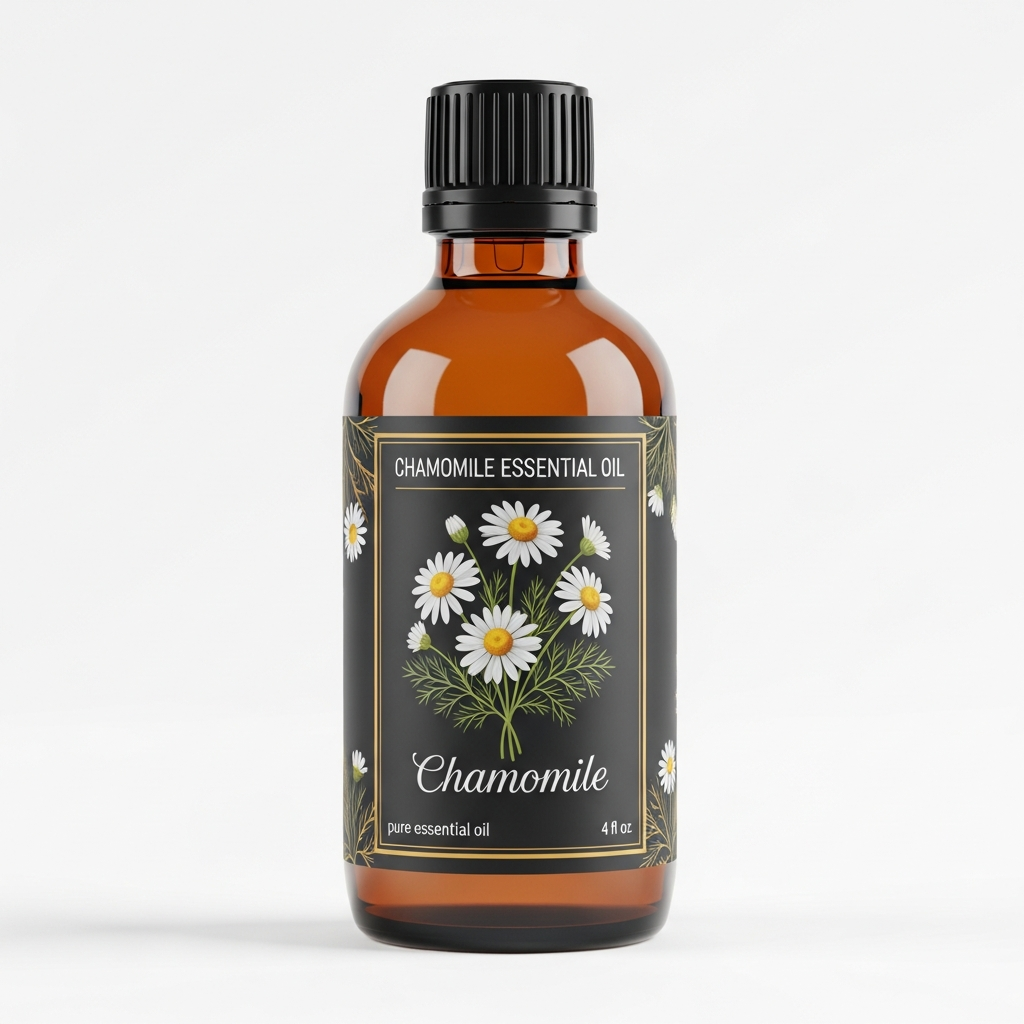
Chamomile Essential Oil
Our own Chamomile Essential Oil, in sizes from 0.5 oz to bulk.
From $29.38
Shop Now →This list covers eight standout picks across different formats and price points. Some are pure essential oils suited for ultrasonic diffusers. Others are blended or fragrance-oil versions designed specifically for candle and wax melt making. A few are crowd-pleasing lavender chamomile fragrance oil options that have earned loyal followings for good reason. Each entry includes what makes it worth considering and a practical takeaway so you can shop with clarity.
Before diving in, it helps to understand the difference between essential oils and fragrance oils for home scenting purposes. For a fuller breakdown, see our guide on chamomile fragrance oil vs essential oil.
1. Roman Chamomile Essential Oil (Single-Origin, Steam-Distilled)
If you want the truest expression of chamomile in your home, a high-quality Roman chamomile essential oil is the place to start. Steam-distilled from Chamaemelum nobile flowers, this type carries the classic warm-apple, herbaceous note that most people picture when they think of chamomile. The scent is delicate and does not project aggressively, which makes it ideal for bedroom diffusers and small living spaces where subtlety is the goal.
Look for oils that list the country of origin (England, France, and Egypt are respected sources) and include GC/MS testing results. Adulteration is common at the lower price points, and since Roman chamomile oil is expensive to produce, a suspiciously cheap bottle is worth scrutinizing. For a thorough overview of what to look for on a label, our complete guide to chamomile essential oil covers sourcing and quality markers in detail.
Note that essential oils in their pure form are not ideal for most candle wicks. The flash points are too low for safe candle making. Use Roman chamomile essential oil in diffusers, linen sprays, or potpourri blends.
Practical takeaway: Choose a 5ml or 10ml bottle from a supplier that publishes batch-specific GC/MS reports. Budget for quality here since undiluted Roman chamomile is a category where price often reflects purity.
2. Lavender Chamomile Fragrance Oil for Candles
This is the category that drives the most consistent sales for candle makers and home fragrance enthusiasts alike. A lavender chamomile fragrance oil blends the familiar herbal softness of chamomile with the slightly sharper, more projecting quality of lavender. The result is a scent that is warm without being heavy, floral without being sweet, and recognizable to almost anyone who walks through the door.
For candle use, look for fragrance oils with a flash point above 170°F and a recommended usage rate between 6 and 10 percent depending on your wax type. Soy wax tends to hold this blend beautifully, producing a clean cold throw and a solid warm throw once the candle has cured for 48 hours. Some suppliers, such as Brambleberry, Candlescience, and Nature's Garden, offer lavender chamomile fragrance oil in sizes ranging from 1 ounce sampler bottles to full pound jugs.
This blend also works well in wax melts, reed diffusers, and room sprays. If you are formulating a room spray, keep the fragrance oil concentration between 15 and 25 percent in a carrier of distilled water and a small amount of polysorbate 80 to help the oil disperse evenly.
Practical takeaway: Order a sampler before committing to a large quantity. Scent profiles vary meaningfully between suppliers, and the lavender-to-chamomile ratio differs from one brand to the next. Test in your specific wax before scaling.
3. German Chamomile Essential Oil for a Diffuser
German chamomile (Matricaria chamomilla) is the deep blue oil. Its striking azure color comes from chamazulene, a compound formed during the distillation process. The scent is noticeably different from Roman chamomile: earthier, slightly smoky, and more medicinal in character. It is an acquired taste in the diffuser, but paired with the right companions it can produce a complex and grounding aromatic experience.
Use German chamomile sparingly in diffuser blends. A single drop alongside four drops of bergamot and two drops of sandalwood creates a layered, warm-amber atmosphere that feels more sophisticated than most single-note chamomile options. Because the scent is strong and distinct, it is rarely used as a primary note in candle making, but it can add depth to a blend at very low concentrations.
Keep in mind that German chamomile essential oil is even more expensive than Roman chamomile and is frequently adulterated with synthetic azulene. Always buy from suppliers who provide third-party testing documentation.
Practical takeaway: German chamomile is best treated as an accent note rather than a featured scent in home fragrance applications. A 2ml or 5ml bottle will last a long time given the small amounts required per blend.
4. Chamomile and Vanilla Fragrance Oil

Vanilla softens chamomile in a way that makes this combination exceptionally popular for fall and winter candles. The chamomile provides a green, slightly fruity brightness at the top, while vanilla rounds out the base with a creamy, comforting warmth. Together they create a scent that feels genuinely cozy without leaning into the sugary territory that some vanilla blends occupy.
Several well-regarded fragrance suppliers offer this combination as a ready-made blend. Alternatively, you can formulate your own by working with a chamomile-forward fragrance oil and a quality vanilla fragrance oil, adjusting ratios until the balance feels right. Aim for roughly 60 percent chamomile to 40 percent vanilla as a starting point, then adjust based on cold throw testing.
This combination performs well in container candles, wax melts, and bath products. For bath and body applications, always verify that the fragrance oil is skin-safe and formulated for cosmetic use, and follow appropriate dilution guidelines for the specific product type.
Practical takeaway: This blend is a strong choice for gift candles and holiday collections. The scent profile is universally approachable and tends to appeal to customers who find straight floral scents too intense.
5. Chamomile Scented Oil for Reed Diffusers
Reed diffusers require a specific type of chamomile scented oil: one that is lightweight enough to wick up bamboo or fiber reeds effectively but strong enough to project into the room without evaporating immediately. Dedicated reed diffuser bases, typically made from dipropylene glycol (DPG) or a similar carrier, are blended with fragrance oil at a ratio of about 25 to 30 percent fragrance to base.
A chamomile scented oil works especially well in this format for rooms that need consistent, passive scenting rather than the burst of fragrance a candle or diffuser delivers. Entryways, home offices, and bathrooms benefit from the steady, low-level presence of a reed diffuser. Look for chamomile fragrance oils that are specifically rated for reed diffusers on the supplier's website, as viscosity matters for wicking performance.
Some popular chamomile reed diffuser fragrance options on the market include chamomile and green tea combinations, chamomile and white musk blends, and standalone chamomile profiles positioned as linen-scent alternatives. Each delivers a slightly different character, from clean and spa-like to soft and botanical.
Practical takeaway: Flip your reeds every few days for the first week to refresh the scent throw. Store unused fragrance oil away from direct light to preserve the integrity of the top notes.
6. Lavender Chamomile Fragrance Oil for Wax Melts
Wax melts are one of the easiest formats for testing a new chamomile home fragrance before committing to candle production. A lavender chamomile blend in wax melt form is widely available from both large suppliers and small Etsy-based makers, and the price per scent-hour is generally lower than candles.
When evaluating a wax melt for quality, pay attention to the scent throw strength in relation to the size of your warmer and room. A 2-ounce clamshell should provide 6 to 8 hours of warm throw in an average-sized room. If the scent fades significantly after the first melt, the fragrance load in the wax may be low, or the wax formula may not be holding the oil well.
For those making their own wax melts, paraffin and parasoy blends tend to hold lavender chamomile fragrance oil better than pure soy at higher fragrance loads. Test at 8 percent and 10 percent to find the sweet spot for your specific combination of wax and fragrance oil.
Practical takeaway: Buy a sampler clamshell from at least two different suppliers before choosing one to stock regularly. Lavender chamomile is a crowded category and quality varies considerably between makers.
7. Chamomile and Eucalyptus Diffuser Blend

This combination is less obvious than lavender chamomile but worth exploring if you want a chamomile home fragrance that feels fresh and slightly invigorating rather than purely soft. Eucalyptus contributes a clean, camphoraceous brightness that contrasts the warm, mellow character of chamomile. The interplay keeps the blend from feeling one-dimensional.
For ultrasonic diffusers, try three drops of Roman chamomile essential oil with two drops of eucalyptus globulus and one drop of lemon. This creates a layered profile that works well in daytime spaces: home offices, kitchens, and workout rooms where you want something lighter and more energizing than a purely chamomile-forward scent. For more pairing ideas, see our collection of chamomile diffuser blends for a calm home atmosphere.
As a fragrance oil combination for candles, chamomile and eucalyptus is available from select suppliers but less common than the lavender pairing. If you want to formulate it yourself, start with 70 percent chamomile fragrance oil and 30 percent eucalyptus fragrance oil, then adjust to taste after cold throw testing.
Practical takeaway: This blend is well suited to spring and summer seasonal collections when lighter, greener scent profiles are in demand. It also works year-round in home office diffuser applications.
8. Chamomile, Bergamot, and Cedarwood Candle Fragrance Oil
For those who want a chamomile-forward candle fragrance that also appeals to customers who typically prefer woody or citrus-forward scents, this three-note combination delivers strong crossover appeal. Bergamot contributes a bright, slightly floral citrus note that lifts the chamomile. Cedarwood grounds the whole blend with a dry, slightly smoky base that keeps it from reading as overly delicate.
This type of blend is available as a pre-made fragrance oil from several suppliers, often marketed under names like "golden hour," "amber garden," or "botanical grove." Reading the full scent description carefully will help you identify which products are actually built around a chamomile core rather than using chamomile as a minor accent.
In soy or coconut wax container candles, this profile tends to have excellent warm throw and a satisfying cold throw that is noticeable but not overwhelming. It is a good choice for 8- to 12-ounce candles in the $18 to $28 retail range, where customers expect a complex and intentional scent rather than a simple single-note experience.
Practical takeaway: This blend photographs and describes well for e-commerce listings. The layered note structure gives you descriptive language that resonates with buyers browsing for something beyond basic florals.
How to Choose the Right Chamomile Home Fragrance for Your Needs
The right pick depends on your format, your setting, and your audience. Pure chamomile essential oil suits small-space diffusers and personal aromatic rituals. Blended fragrance oils designed for candle and wax melt making open up wider creative and commercial possibilities. And the ever-popular lavender chamomile fragrance oil sits in the middle as a reliable, crowd-pleasing choice that works across nearly every home fragrance format.
Whatever you choose, buy from suppliers who are transparent about their sourcing, testing, and usage guidelines. Quality in this category is uneven, and the difference between a well-made chamomile scented oil and a poorly formulated one is immediately apparent the moment you open the bottle. Start with small quantities, test methodically, and scale up once you have found a blend that genuinely performs.