
Chamomile Oil for Hair: Softness, Shine, and Gentle Scalp Care
Chamomile has a long, well-documented history in botanical beauty. Its delicate golden blossoms have been steeped into rinses, pressed into oils, and worked into hair preparations for centuries. Today, the focus has shifted toward chamomile essential oil and chamomile-infused carrier oils as accessible, quality ingredients for home hair care routines. If you want to explore chamomile oil for hair, this guide walks you through exactly how to do it, from choosing the right product to rinsing it out properly.
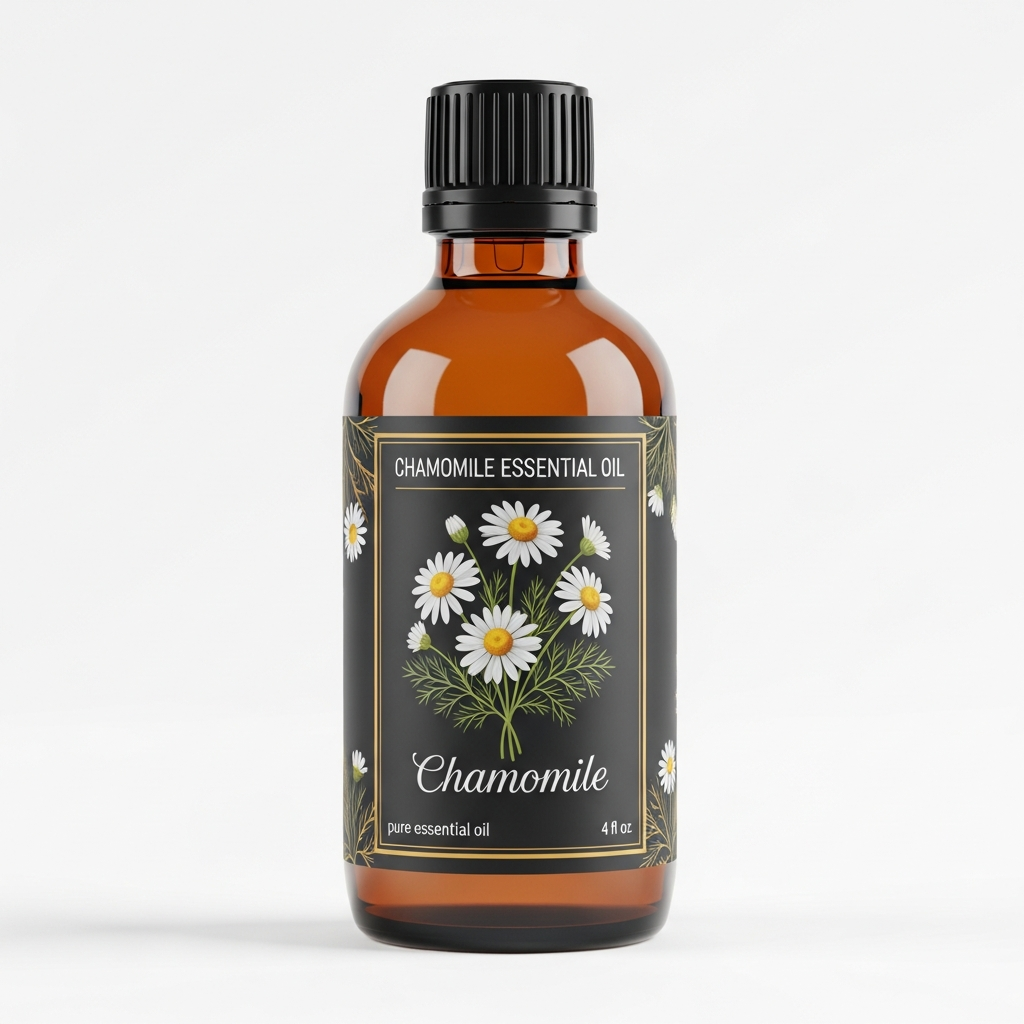
Chamomile Essential Oil
Our own Chamomile Essential Oil, in sizes from 0.5 oz to bulk.
From $29.38
Shop Now →This article covers three practical methods: a pre-shampoo scalp oil, a chamomile hair rinse, and a leave-in shine serum. Each section includes the materials you need, numbered steps, and honest notes on what to realistically expect.
Understanding Your Chamomile Oil Options
Before mixing anything, it helps to understand what you are actually working with. Two very different products share the chamomile name.
- Chamomile essential oil is a concentrated aromatic extract. Roman chamomile (Chamaemelum nobile) and German chamomile (Matricaria chamomilla) are the two most common varieties. German chamomile is recognizable by its deep blue color, which comes from a compound called chamazulene. Both must be diluted in a carrier oil before any contact with skin or hair.
- Chamomile-infused oil is a carrier oil (often jojoba, sweet almond, or sunflower) in which dried chamomile flowers have been steeped. This is gentler and already safe to apply directly to the scalp at full concentration.
For most of the recipes below, you can use either type, provided you follow the dilution guidelines for essential oil. If you are new to working with botanicals, the infused oil is a forgiving starting point. For a broader look at how chamomile fits into a complete hair and skin routine, see our guide to chamomile oil for skin and hair: the complete cosmetic care.
Method 1: Pre-Shampoo Scalp Oil

A pre-shampoo oil is applied before washing and sits on the scalp and lengths for a period of time before being rinsed away. This approach allows the oil to work along the hair shaft without leaving residue, since shampoo removes the bulk of it afterward. People with dry or flaky scalps often incorporate this step into a weekly wash-day ritual.
What You Need
- 2 tablespoons jojoba oil (the primary carrier)
- 1 tablespoon sweet almond oil
- 4 to 6 drops Roman chamomile essential oil or 3 tablespoons chamomile-infused jojoba (if using the infused version, omit the jojoba above and use 3 tablespoons total)
- A small glass bowl or bottle
- A fine-tipped applicator bottle (optional but helpful for scalp access)
Steps
- Combine your oils. Pour the jojoba and sweet almond oil into your glass bowl. Add the chamomile essential oil drops and stir gently. If you are using chamomile-infused oil, simply measure it out. No further mixing is needed.
- Section dry or damp hair. Working on dry hair allows the oil to absorb more slowly, which some people prefer for a longer application. Damp hair distributes the oil more evenly. Part your hair into four sections and clip them out of the way.
- Apply to the scalp first. Using the applicator bottle or your fingertips, apply small amounts directly to the scalp in each section. Use light, circular pressure with your fingertips to work the oil in. Spend about two minutes on this step.
- Work through the lengths. Once the scalp is coated, smooth any remaining oil down the lengths of the hair, paying particular attention to the ends.
- Cover and wait. Wrap your hair in a warm towel or a shower cap and leave the oil on for 20 to 45 minutes. Some people prefer to leave it overnight, which is fine as long as your pillow is protected.
- Shampoo out thoroughly. Apply shampoo directly to oiled hair before adding water. This helps the shampoo grip the oil. Lather, rinse, and repeat if needed. Follow with your usual conditioner.
Tips and Common Mistakes
- Do not apply water before the shampoo step. Water creates a barrier that makes oil harder to remove.
- Fine or low-porosity hair may feel weighed down if too much oil is used. Start with a smaller amount and adjust.
- Always perform a patch test before the first use. Apply a small amount of the diluted blend to the inside of your wrist and wait 24 hours before full application.
Safety note: Chamomile essential oil must be diluted. The blend above falls within a 1 to 2 percent dilution range, which is generally considered appropriate for scalp use in adults. Do not exceed 6 drops of essential oil per 3 tablespoons of carrier oil for scalp applications.
Method 2: Chamomile Hair Rinse
A chamomile hair rinse is one of the oldest botanical hair preparations in recorded use. It is made by brewing a strong chamomile infusion and pouring it over clean hair as a final rinse after shampooing and conditioning. People with blonde or light brown hair often find that regular chamomile rinses may gently brighten natural highlights over time, though results vary and the effect is gradual and subtle.
This method uses chamomile flowers or tea bags rather than essential oil, which makes it especially accessible.
What You Need
- 4 chamomile tea bags or 4 tablespoons dried chamomile flowers
- 2 cups (480 ml) just-boiled water
- A glass jar or heat-safe bowl
- A fine strainer (if using loose flowers)
- Optional: 1 tablespoon apple cider vinegar, which may add additional shine
- Optional: 3 drops Roman chamomile essential oil, added after the infusion has cooled to room temperature
Steps
- Brew a strong infusion. Place the tea bags or dried flowers in your glass jar. Pour the boiled water over them. Cover the jar with a small plate or lid to keep the aromatic compounds from escaping with the steam. Steep for 15 minutes minimum, and up to 30 minutes for a stronger result.
- Cool to a comfortable temperature. You will be pouring this over your scalp, so it needs to be lukewarm at most. This step also takes a little patience, but it matters for comfort and safety.
- Strain and add optional ingredients. Remove the tea bags or pour the liquid through a fine strainer. If using apple cider vinegar or essential oil, stir them in now.
- Wash your hair as normal. Shampoo and condition as usual. On the final rinse, turn off the shower water.
- Pour the chamomile rinse over your hair. Working over the shower or a basin, pour the infusion slowly and evenly over your scalp and hair. Use your fingers to work it through the lengths.
- Do not rinse it out. Leave the chamomile rinse in your hair. Gently squeeze out the excess (do not rub) and proceed with your usual drying routine.
Expected Results
After a single rinse, hair may feel smoother and look more lustrous, though individual results vary depending on hair type and water quality. The subtle brightening effect on light hair is cumulative. People report noticing more visible changes after four to six weeks of weekly use. Dark hair will not be dramatically lightened by this rinse; the effect is too gentle for that.
Tips and Common Mistakes
- Hard water can dull results. If your tap water is very hard, consider using filtered water for the infusion.
- Consistency matters more than concentration. A moderate rinse done weekly is likely to give better results than a very strong rinse done once.
- Store unused rinse in the refrigerator and use within 48 hours. It has no preservatives and will spoil.
Method 3: Chamomile Shine Serum (Leave-In)

For chamomile oil for shine, a lightweight leave-in serum is among the most direct applications. This formula is designed for the mid-lengths and ends only. It is not applied to the scalp.
What You Need
- 1 tablespoon argan oil
- 1 teaspoon chamomile-infused jojoba oil
- 2 drops Roman chamomile essential oil
- 1 drop lavender essential oil (optional, for a complementary botanical scent)
- A small dark glass dropper bottle for storage
Steps
- Combine all ingredients in the dropper bottle. Cap the bottle and roll it gently between your palms to mix. Do not shake vigorously.
- Apply to towel-dried hair. Dispense 3 to 5 drops into the palm of your hand. Rub your palms together lightly to warm and distribute the oil.
- Work from mid-length to ends. Smooth the serum through damp hair, focusing on the ends. Avoid the roots entirely to prevent the appearance of oiliness at the scalp.
- Style as usual. Proceed with your normal drying or styling routine. The serum is designed to work with both air-drying and heat styling, though it is not a heat protectant.
Tips and Common Mistakes
- Less is more with leave-in oils. Start with 2 to 3 drops and increase only if needed.
- Fine hair benefits from an even smaller amount. Try dispensing a single drop on the first attempt.
- This serum keeps well for up to three months in a cool, dark location. Label your bottle with the date it was made.
Sourcing Quality Chamomile Oil
The results of any botanical hair routine depend heavily on ingredient quality. For chamomile essential oil, look for products that list the Latin species name on the label (Chamaemelum nobile for Roman chamomile, Matricaria chamomilla for German chamomile), the country of origin, and ideally the extraction method (steam distillation is standard). Avoid products that list only "chamomile fragrance oil," which is a synthetic scent compound, not a botanical extract.
For chamomile-infused carrier oils, the best versions are made from organically grown flowers and cold-pressed base oils. The color should have a warm golden tone. A very pale, nearly clear product may indicate a weak infusion.
If chamomile is part of a larger skin and hair care practice for you, our article on chamomile oil for skin: gentle cosmetic uses and simple applications covers related methods for facial and body use. For those interested in a complete nightly ritual, the guide to building a DIY chamomile facial oil for a gentle nightly skincare blend is a natural companion to these hair recipes.
Safety Summary
| Consideration | Guidance |
|---|---|
| Dilution (adults, scalp) | 1 to 2 percent essential oil in carrier oil |
| Patch test | Always, at least 24 hours before first use |
| Ragweed sensitivity | Chamomile belongs to the Asteraceae family; those with known sensitivities to related plants should consult a qualified healthcare provider before use |
| Pregnancy and nursing | Consult a qualified healthcare provider before using essential oils |
| Children | Essential oil use on children requires different dilution ratios; consult a qualified aromatherapy professional |
| Eye contact | Avoid. Rinse thoroughly with plain water if contact occurs |
Bringing It Into Your Routine
Chamomile oil for hair works best when approached with patience and consistency. The pre-shampoo oil fits naturally into a once-a-week wash-day ritual. The chamomile hair rinse can accompany every wash if you enjoy the process, or be reserved for a weekly practice. The shine serum can become a daily finishing step.
None of these methods require specialized equipment or a long ingredient list. That accessibility is part of what makes chamomile such a lasting presence in botanical beauty. A few well-sourced ingredients, used regularly and correctly, may support noticeably softer, more luminous hair over time, and the ritual of making and using them is its own quiet reward.