
Chamomile Oil for Skin and Hair: The Complete Cosmetic Care Guide
Key Takeaways
- Two distinct chamomile oils exist for cosmetic use: Roman and German. Each has a different chemical profile and a different role in skincare and hair care.
- Chamomile essential oil must always be diluted in a carrier oil before skin or scalp contact. A 1% dilution is standard for facial use.
- Patch testing before first use is non-negotiable, even with gentle botanicals.
- The blue color of German chamomile comes from chamazulene, a compound formed during steam distillation that is often highlighted in cosmetic formulations.
- Chamomile oil pairs beautifully with a wide range of carrier oils, from jojoba to rosehip, depending on your skin type and goals.
- Quality sourcing matters enormously. Steam-distilled, GC/MS-tested oil from a reputable supplier will perform better and be safer than bargain alternatives.
- People with ragweed sensitivities should consult a healthcare provider before using chamomile on the skin.

Chamomile has been cultivated for its cosmetic and aromatic properties for thousands of years. Ancient Egyptians prized it. Medieval European herbalists grew it along garden borders. Today, chamomile essential oil sits at the intersection of traditional botanical wisdom and modern cosmetic science, prized by formulators and home enthusiasts alike for its gentle character and rich scent profile.
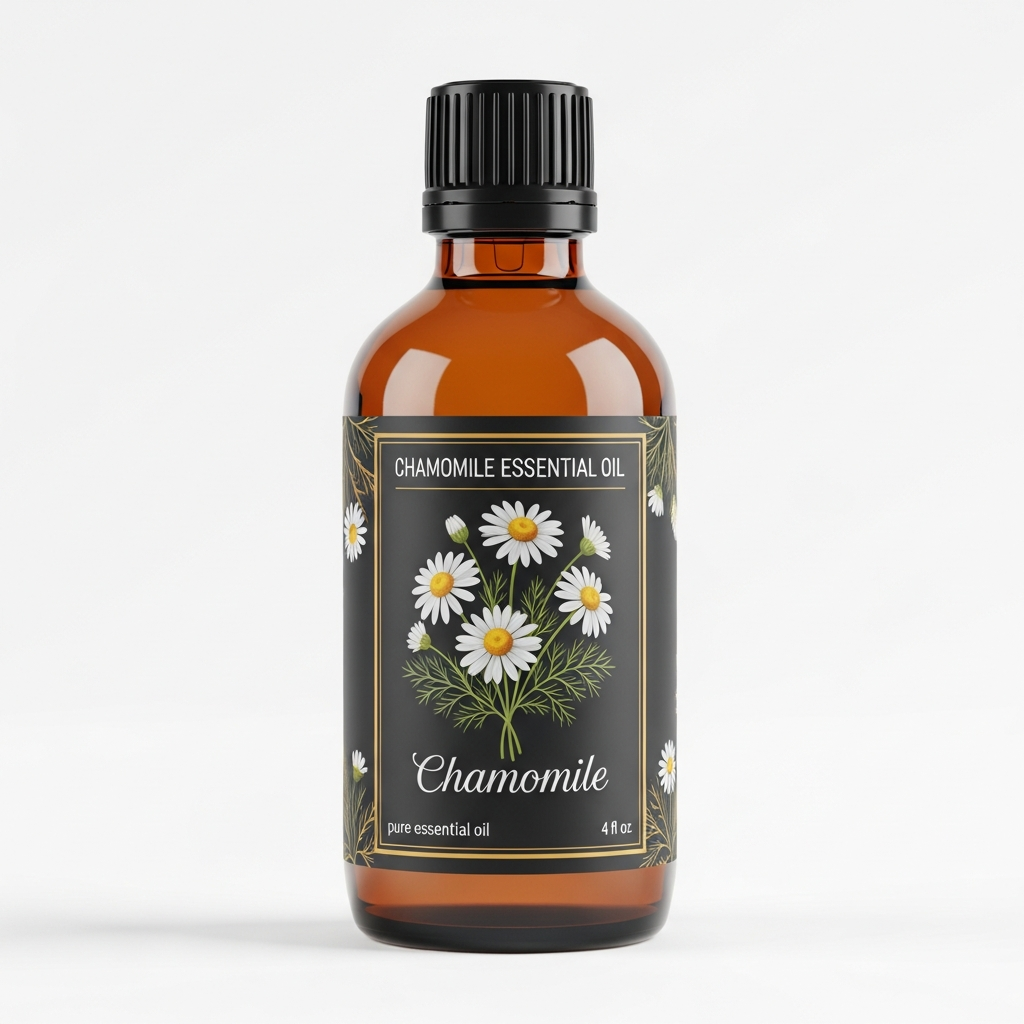
Chamomile Essential Oil
Our own Chamomile Essential Oil, in sizes from 0.5 oz to bulk.
From $29.38
Shop Now →This guide covers everything you need to know about using chamomile oil for skin and chamomile oil for hair: the chemistry, the application methods, the DIY blends, the sourcing considerations, and the safety steps that should never be skipped. Whether your goal is a nourishing facial oil, a scalp-care ritual, or a simple addition to your existing routine, the information here will help you move forward with confidence.
1. Understanding the Two Chamomile Oils
Before diving into applications, it helps to understand that "chamomile essential oil" is not a single product. Two distinct species are distilled for cosmetic and aromatic use, and they behave quite differently on the skin and in the hair.
Roman Chamomile (Chamaemelum nobile)
Roman chamomile is steam-distilled from the flowers of a low-growing perennial native to western Europe. The oil is pale yellow to colorless, with a soft, sweet, apple-like fragrance that many people find deeply comforting. Its scent profile makes it a favorite in perfumery and in bedtime skincare rituals.
The primary constituents of Roman chamomile oil include isobutyl angelate and other esters, which contribute to its gentle character. Cosmetically, it is often chosen for facial blends targeting dry or easily disturbed skin, and it is a popular ingredient in aromatic bath products designed for winding down in the evening.
German Chamomile (Matricaria chamomilla)
German chamomile, sometimes called blue chamomile, is where things get visually striking. The oil is a deep, inky blue, a color produced by chamazulene. This compound does not exist in the fresh plant. It forms during the steam distillation process, when matricine (present in the flowers) is converted by heat. The resulting oil is intensely pigmented and can stain fabrics, so some care is needed during application.
German chamomile oil has a more medicinal, earthy, slightly bitter fragrance compared to its Roman counterpart. Its chamazulene content makes it a popular focus in cosmetic research. Some studies suggest chamazulene may play a role in how the skin responds to topical botanical application, though researchers continue to explore exactly how.
For cosmetic use, German chamomile is often selected for formulations where the blue color is part of the aesthetic appeal, such as specialty facial serums. Some formulators blend it at low concentrations specifically to harness the chamazulene while avoiding heavy staining.
At a Glance: Roman vs. German Chamomile
| Feature | Roman Chamomile | German Chamomile |
|---|---|---|
| Latin Name | Chamaemelum nobile | Matricaria chamomilla |
| Color | Pale yellow to colorless | Deep blue |
| Key Constituents | Isobutyl angelate, esters | Chamazulene, alpha-bisabolol |
| Scent Profile | Sweet, apple-like, floral | Earthy, slightly bitter, herbal |
| Primary Cosmetic Use | Facial blends, bath, hair | Specialty serums, scalp care |
| Staining Risk | Low | High (avoid light fabrics) |
| Relative Cost | Moderate | Higher |
For most beginners, Roman chamomile is the more accessible starting point. Its lighter scent and lower cost make it easier to work with in everyday blends. German chamomile, with its concentrated chamazulene content, is worth exploring once you have a feel for how chamomile essential oil for skin behaves in your formulations.
2. Chamomile Oil Benefits for Skin: What the Research and Tradition Tell Us
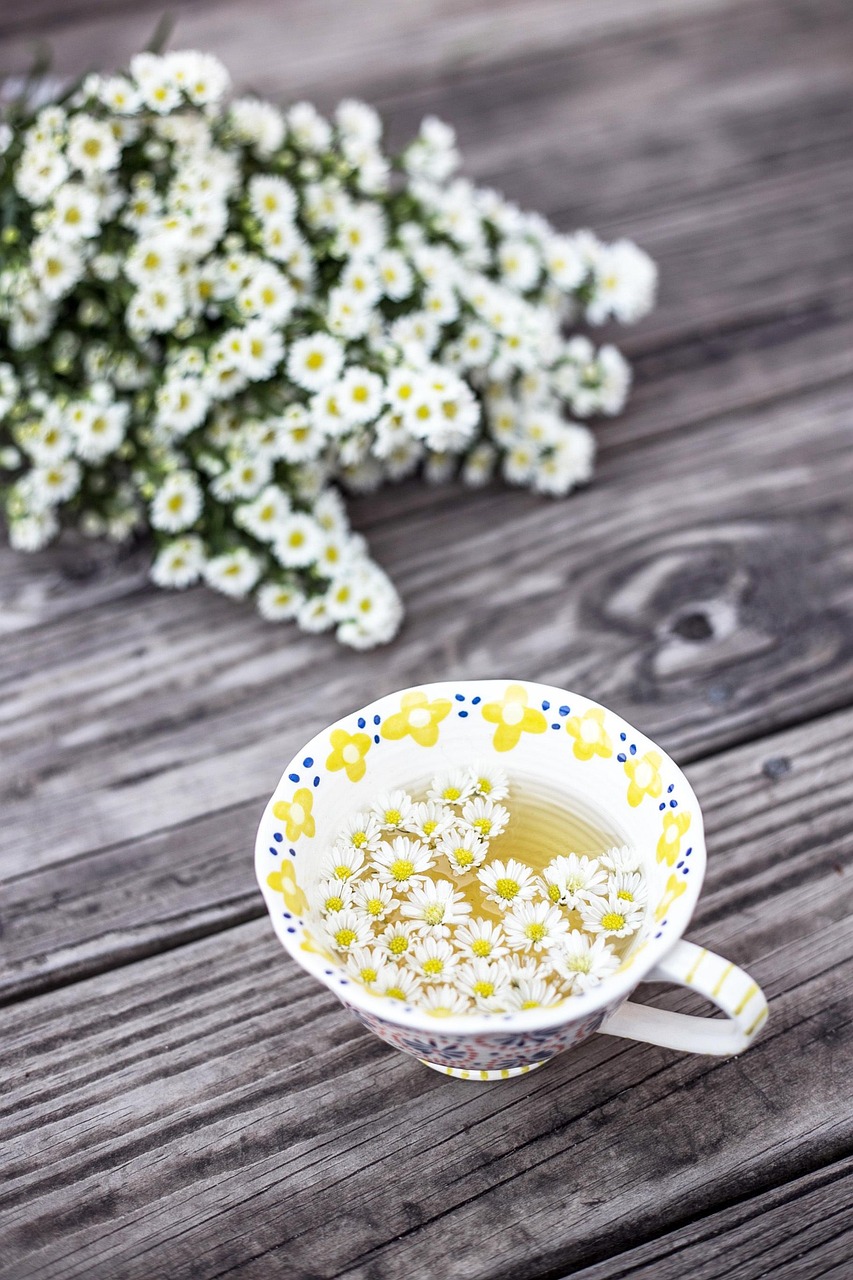
Chamomile has one of the longest track records of any botanical in cosmetic history. That history does not automatically translate into clinical proof, but it does give researchers a strong foundation for asking interesting questions. Here is an honest breakdown of what tradition suggests and what some research observations indicate.
Alpha-Bisabolol: The Star Cosmetic Compound
German chamomile is notably rich in alpha-bisabolol, a naturally occurring terpene alcohol. In the cosmetic industry, alpha-bisabolol is widely used as a standalone ingredient in products marketed for sensitive or easily irritated skin. Some research suggests it may support the skin's barrier function and contribute to a smoother surface appearance over time.
When you purchase genuine, high-quality German chamomile essential oil, you are getting alpha-bisabolol in its natural context, alongside other compounds that may work together in ways that isolated ingredients do not fully replicate.
Chamazulene and the Blue Oil
Chamazulene is one of the most studied constituents in chamomile research. Some laboratory studies have explored how it interacts with oxidative processes. Early research is promising, though most scientists are careful to note that in-vitro findings do not always translate directly to real-world skin outcomes. As a cosmetic ingredient, chamazulene is often cited in formulator notes for its potential to support the appearance of even, calm-looking skin.
A Scent That Supports Atmosphere
One of the most documented chamomile oil benefits for skin care routines has nothing to do with direct topical chemistry. The scent of chamomile, particularly Roman chamomile, has been studied for its effect on mood and atmosphere. Several studies suggest that inhaling the aroma during skincare application may support a sense of quiet and ease. Many people find that incorporating a chamomile-scented facial oil into an evening ritual transforms a simple skincare step into a genuine wind-down moment.
Traditional Use in Cosmetic Context
Across European herbal traditions, chamomile preparations were applied topically for cosmetic purposes related to skin appearance and comfort. Older texts from German and English botanical traditions reference chamomile washes and poultices used to support the look of healthy, even skin. These historical uses do not constitute medical evidence, but they reflect centuries of observation and refinement by people who worked closely with the plant.
What Chamomile Oil Does Not Do
Honesty matters here. Chamomile essential oil for skin is a cosmetic ingredient, not a corrective one. It will not restructure the skin, reverse visible aging, or alter skin tone in any dramatic way. People who approach it with realistic expectations, looking for a gentle, pleasant-smelling addition to a consistent skincare routine, tend to be the most satisfied with the results they observe over time.
For a closer look at the cosmetic applications, see our detailed piece on chamomile oil for skin: gentle cosmetic uses and simple formulations.
3. Matching Chamomile Oil to Your Skin Type
One of chamomile's most appealing qualities is its reputation for gentleness, but "gentle" does not mean universally appropriate. Here is how to think about chamomile essential oil for skin based on your specific skin type and cosmetic goals.
Dry and Tight-Feeling Skin
People with dry skin often respond well to Roman chamomile blended into rich, nourishing carrier oils such as sweet almond, avocado, or rosehip. The sweet floral scent of Roman chamomile pairs naturally with these warmer-toned carriers, and the combination can create a deeply emollient facial oil that supports a soft, comfortable skin feeling after application.
A simple approach: add Roman chamomile at a 1% dilution to a blend of rosehip and jojoba oils. Apply a few drops to clean skin in the evening as the final step in your routine.
Combination and Normal Skin
Combination skin benefits from lighter carrier oil choices. Jojoba is a particularly popular pairing with chamomile because it closely resembles the skin's own sebum and absorbs without leaving a heavy residue. A 1% Roman chamomile in jojoba is one of the most versatile and beginner-friendly chamomile oil for skin formulations you can make at home.
Oily and Blemish-Prone Skin
Oily skin types should approach chamomile essential oil with care and keep dilution on the lighter end. Heavier carrier oils can feel occlusive and may not suit an oily skin profile. If you have oily or congested skin and want to explore chamomile, consider pairing it with squalane or a light rosehip seed oil. Keep your total oil application minimal.
It is also worth noting that chamomile is a member of the Asteraceae family. People who are sensitive to other members of this plant family (which includes ragweed and daisies) should consult a qualified healthcare provider before using chamomile oil on their skin.
Mature and Environmentally Stressed Skin
Mature skin often benefits from richer, more emollient formulations. German chamomile, with its alpha-bisabolol content, is frequently chosen for mature skin blends. Paired with rosehip or sea buckthorn (used sparingly, given its intense color), German chamomile can form the aromatic and cosmetic core of a nourishing evening serum.
Sensitive Skin
Sensitive skin requires the most caution. Patch test every new formulation, regardless of how gentle the ingredients appear. Some people with highly reactive skin report that they tolerate Roman chamomile well, while German chamomile's more complex profile does not suit them. Start at a 0.5% dilution, observe for 24 to 48 hours, and increase gradually only if no response is observed.
4. Chamomile Oil for Hair: Softness, Shine, and Scalp Care
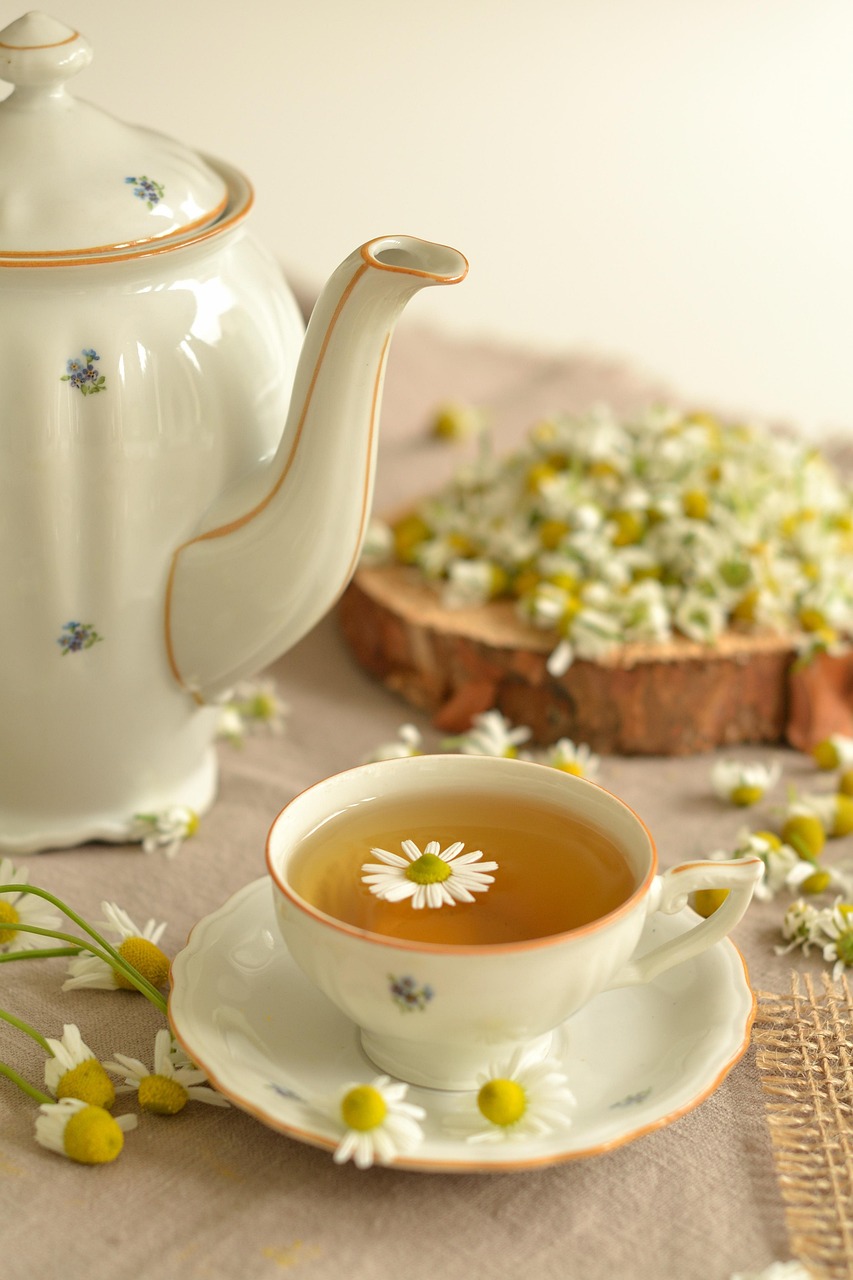
The story of chamomile and hair goes back a long way. Chamomile rinses have been used by people with fair hair for centuries, both to maintain a bright, golden appearance and to support a comfortable scalp. Essential oil-based hair care takes that tradition in a more concentrated direction.
Chamomile Oil for Scalp Comfort
A dry, flaky, or uncomfortable scalp is one of the most common reasons people seek out botanical hair oils. Chamomile essential oil for hair use is typically diluted in a nourishing carrier such as jojoba, argan, or sweet almond oil and massaged gently into the scalp before washing. The aromatic experience alone makes this a deeply pleasant pre-wash ritual.
German chamomile is often selected for scalp-focused formulations because of its alpha-bisabolol content, which some formulators believe may support a comfortable, well-conditioned scalp environment. Roman chamomile's sweeter scent makes it the preferred choice when the aromatic experience is the primary goal.
Shine and Texture Along the Hair Shaft
Chamomile essential oil blended into a lightweight carrier oil and applied as a finishing serum can help smooth the hair cuticle and add visible shine. The key is using a very light hand. One or two drops of chamomile oil blended into a teaspoon of argan oil, warmed between the palms, then smoothed over the mid-lengths and ends of the hair, is often enough to notice a difference in texture and sheen.
People with fine hair should be especially sparing. Even a small amount of oil can weigh fine strands down if overapplied.
Chamomile and Fair Hair Tradition
The longstanding association between chamomile and brightening fair or blonde hair comes largely from chamomile tea rinses and chamomile-infused herbal preparations rather than from essential oil use. The essential oil itself does not bleach or significantly alter hair color, but anecdotal accounts from people with light hair suggest that consistent chamomile oil use may support a brighter, more luminous appearance over time.
For a deep dive into hair-specific applications, our full guide on chamomile oil for hair: softness, shine, and gentle scalp care covers every step in detail.
Chamomile in Commercial Hair Products
Chamomile is a common ingredient in commercial shampoos, conditioners, and leave-in products, often listed as Chamomilla recutita (Matricaria) flower extract or oil. If you already use products containing chamomile, adding chamomile essential oil to your routine through a DIY hair serum means you are layering a familiar botanical onto an existing foundation.
5. Dilution, Safety, and Patch Testing
This section is the most important in the entire guide. No discussion of chamomile essential oil for skin or hair use is complete without a thorough treatment of safe handling.
Why Dilution Is Non-Negotiable
Essential oils are highly concentrated plant extracts. A single drop of chamomile essential oil represents the material from a large quantity of plant matter. Applied undiluted to the skin, even gentle oils can cause sensitization, a process where the immune system becomes reactive to a compound and may respond more intensely to it on future exposures. Sensitization can be permanent.
Diluting in a carrier oil solves this problem. Carrier oils spread the essential oil molecules evenly, allow the beneficial components to make skin contact at a safe concentration, and add their own cosmetic benefits.
Standard Dilution Guidelines
| Application Type | Recommended Dilution | Drops per 30ml Carrier |
|---|---|---|
| Facial oil (adults) | 0.5% to 1% | 3 to 6 drops |
| Body oil (adults) | 1% to 2% | 6 to 12 drops |
| Scalp massage oil | 1% | 6 drops |
| Hair finishing serum | 0.5% | 3 drops |
| Sensitive skin (all uses) | 0.5% or lower | 3 drops or fewer |
These ranges reflect general cosmetic guidelines from organizations such as the International Fragrance Association (IFRA). Always check the most current guidance and consult your formulation resources for specific blends.
For step-by-step carrier oil selection and dilution math, see our dedicated guide on how to dilute chamomile essential oil safely with carrier oils.
How to Patch Test Properly
- Mix your chamomile blend at the intended dilution ratio.
- Apply a small amount (about the size of a 10-cent coin) to the inner forearm or the crook of the elbow.
- Leave uncovered and unwashed for 24 hours.
- Check for redness, itching, swelling, or any change in skin appearance.
- If no response is observed after 48 hours, proceed with use on other areas.
- If any response occurs, discontinue use and consult a qualified healthcare provider.
Populations Who Should Exercise Extra Caution
- People sensitive to the Asteraceae plant family. Chamomile belongs to this family. Cross-reactivity is possible.
- Pregnant and nursing individuals. Consult a qualified healthcare provider before using any essential oil during pregnancy or while nursing.
- Children. Chamomile essential oil should not be used on infants or young children without guidance from a qualified healthcare provider. Dilution requirements are significantly different for children than for adults.
- People with multiple known skin sensitivities. Work with a dermatologist or qualified aromatherapy practitioner to identify safe starting points.
Storage Safety
Chamomile essential oil oxidizes over time, especially when exposed to light, heat, and air. Oxidized oils are more likely to cause skin reactions. Store your oil in a dark glass bottle in a cool, dark location. German chamomile has a shelf life of approximately two to three years when stored correctly. Roman chamomile is slightly shorter. If the oil smells "off" or has thickened unusually, do not use it on your skin.
6. DIY Formulations: Blends for Skin and Hair
Making your own chamomile oil blends is one of the most rewarding aspects of working with this botanical. The following formulations are starting points. Adjust ratios, swap carriers, or add complementary essential oils as your experience grows.
Safety reminder: Always dilute properly. Always patch test before first use. Keep all blends away from eyes and mucous membranes. Do not use on broken or compromised skin without guidance from a healthcare provider.
Formulation 1: Gentle Evening Facial Oil
This is a classic starting point for anyone exploring chamomile essential oil for skin. Roman chamomile's sweet scent makes it perfect for a before-bed ritual, and jojoba's skin-compatible profile means it suits most skin types.
- 30ml jojoba oil
- 3 drops Roman chamomile essential oil (approximately 0.5% dilution)
- 3 drops lavender essential oil (optional, for added aromatic depth)
Method: Combine in a dark glass dropper bottle. Shake gently before each use. Apply 3 to 4 drops to clean, slightly damp skin and press gently to absorb.
For a more detailed version of this formulation, our guide on DIY chamomile facial oil for a nightly skincare blend walks through the full process, including variations for different skin types.
Formulation 2: Blue Chamomile Serum for Mature or Environmentally Stressed Skin
This blend makes the most of German chamomile's alpha-bisabolol and chamazulene content. Note that the blue color will tint the finished serum. Avoid contact with light-colored fabrics.
- 20ml rosehip seed oil
- 10ml squalane
- 3 drops German chamomile essential oil (approximately 0.5% dilution)
- 2 drops frankincense essential oil (optional)
Method: Combine in a dark glass bottle. Apply 2 to 3 drops to clean skin, warming between fingertips before pressing gently into the skin. Use in the evening, as rosehip seed oil is best suited to nighttime use.
Formulation 3: Scalp and Hair Pre-Wash Oil
This blend is designed for use before shampooing. It supports a comfortable, nourished scalp experience and leaves hair feeling softer after washing.
- 30ml sweet almond oil
- 6 drops Roman chamomile essential oil (approximately 1% dilution)
- 3 drops cedarwood essential oil (optional, for added depth)
Method: Combine in a dark glass bottle. Section hair and apply to the scalp using fingertips, massaging in small circular motions for 3 to 5 minutes. Leave on for 20 to 30 minutes, then shampoo as normal. You may need to shampoo twice to fully remove the oil.
Formulation 4: Lightweight Hair Finishing Serum
A very small amount of this blend, warmed between the palms and smoothed over dry or damp hair, can add visible shine and reduce the appearance of frizz.
- 15ml argan oil
- 15ml squalane
- 3 drops Roman chamomile essential oil (approximately 0.5% dilution)
Method: Combine and store in a small dark glass bottle. Use 1 to 2 drops maximum, warmed in the palms, applied over the mid-lengths and ends only. Avoid the roots if your hair is fine or prone to oiliness.
Formulation 5: Calming Body Oil for Evening Rituals
A generous body oil is one of the simplest ways to incorporate chamomile into a wind-down routine. The scent disperses beautifully from warm, damp skin after a bath or shower.
- 50ml sweet almond oil
- 12 drops Roman chamomile essential oil (approximately 1.2% dilution)
- 8 drops sandalwood or ylang ylang essential oil (optional)
Method: Blend in a pump or flip-cap bottle. Apply to damp skin immediately after bathing, before fully toweling dry, to lock in moisture. Use 2 to 3 pumps per application.
For guidance on selecting the best carrier oils for each of these formulations, our resource on the best carrier oils to pair with chamomile for cosmetic care covers the full range of options and how to match them to your skin type and goals.
7. How to Buy Chamomile Essential Oil: A Sourcing Guide
The quality of your chamomile essential oil determines everything about the cosmetic experience. Bargain oils, adulterated oils, and improperly stored oils will underperform and may introduce unnecessary risks. Here is what to look for.
Understand the Label
A reputable chamomile essential oil should include the following on its label or product page:
- The full Latin name of the plant species (Chamaemelum nobile for Roman, Matricaria chamomilla for German)
- The country or region of origin
- The plant part used (flower)
- The extraction method (steam distillation)
- The batch number or lot number
If this information is missing, consider that a significant red flag.
GC/MS Testing: The Gold Standard for Purity
Gas chromatography/mass spectrometry (GC/MS) testing is the industry standard for verifying the chemical composition of an essential oil. A supplier that provides GC/MS reports (also called certificates of analysis, or COAs) for each batch is demonstrating transparency about what is actually in the bottle.
These reports allow you to verify that the key constituents are present in expected ranges. For German chamomile, you would expect to see chamazulene and alpha-bisabolol listed. For Roman chamomile, a high ester content is the hallmark of a quality oil. If a supplier cannot or will not provide this documentation, consider purchasing elsewhere.
Price as a Quality Signal
Chamomile essential oil is not cheap to produce. The flowers must be harvested at peak bloom and distilled carefully to preserve the delicate aromatic profile. German chamomile is particularly labor-intensive, partly because of the relatively small yield of blue oil from the plant material. An unusually low price for chamomile essential oil is almost always a signal of adulteration, dilution, or synthetic fragrance oil being sold as genuine essential oil.
Roman chamomile typically ranges from moderate to high in price, depending on origin and supplier reputation. German chamomile often commands a higher price still, given its more intensive production. Budget accordingly.
Packaging Matters
Genuine essential oils should be sold in dark glass bottles (amber or cobalt blue) to protect the oil from UV degradation. Plastic bottles are a concern because essential oils can interact with certain plastics over time. A dropper insert or orifice reducer is standard for portion control. If an oil arrives in a clear glass or plastic bottle, treat that as a quality concern.
Organic Certification
Certified organic chamomile essential oil indicates that the plant material was grown without synthetic pesticides or fertilizers. For a cosmetic ingredient applied directly to the skin, organic sourcing is worth considering, though it adds to the cost. Look for certification from recognized bodies such as USDA Organic, ECOCERT, or equivalent certifiers in the country of origin.
Supplier Reputation
Established, specialist essential oil suppliers with transparent sourcing practices, published GC/MS data, and responsive customer support tend to produce better products than general wellness retailers who carry essential oils as one category among many. Seek out communities of aromatherapists and natural formulators for supplier recommendations based on real experience.
8. Frequently Asked Questions
Can I apply chamomile essential oil directly to my skin without a carrier oil?
No. Chamomile essential oil should always be diluted in a carrier oil before any skin contact. Applying undiluted essential oil directly to the skin risks sensitization, which can be permanent. A 1% dilution is appropriate for most adults using chamomile oil for facial and body applications.
Which chamomile oil is better for skin: Roman or German?
Neither is universally "better." They have different chemical profiles and different cosmetic strengths. German chamomile, with its chamazulene and alpha-bisabolol content, is often selected for more targeted cosmetic formulations, particularly for mature or environmentally stressed skin. Roman chamomile is prized for its gentler fragrance and broader accessibility. Many experienced formulators use both, choosing based on the specific formulation goal.
Can chamomile oil lighten or brighten hair?
Chamomile essential oil itself does not bleach or chemically alter hair color. The lightening reputation of chamomile in hair care is largely associated with strong chamomile tea rinses applied in sunlight, not with essential oil use. That said, people with fair hair sometimes report that consistent chamomile oil use gives their hair a more luminous appearance, though this effect is subtle and anecdotal.
How long does it take to notice a difference from chamomile oil in a skincare routine?
Cosmetic oils work gradually. Most people who incorporate chamomile oil into a consistent skincare routine report noticing differences in skin texture and overall skin feel after four to six weeks of regular use. The aromatic benefits, such as the calming atmosphere during an evening ritual, are immediate.
Is chamomile oil safe to use around the eyes?
No essential oil should be applied to or directly around the eyes. If you want to use a chamomile-scented product near the eye area, look for commercial formulations specifically designed and tested for periorbital use. DIY oil blends should stay away from the orbital area entirely.
Can I add chamomile essential oil to my regular moisturizer or shampoo?
In principle, yes, though there are some practical considerations. Adding oil-based essential oils to water-based products (most moisturizers, lotions, and shampoos) creates an unstable mixture without an emulsifier, meaning the oil will not distribute evenly and may separate. A simpler approach is to use chamomile oil in an oil-based carrier and apply it separately. If you want to customize a water-based product, consult a cosmetic formulation resource for guidance on emulsification.
What carrier oils work best with chamomile essential oil for skin?
The best pairing depends on your skin type. Jojoba suits most skin types and is a versatile everyday choice. Rosehip seed oil pairs beautifully with German chamomile for a nourishing evening serum. Sweet almond is a gentle, widely tolerated option for both skin and hair. For more detail on every major carrier oil option, see our complete guide on the best carrier oils to pair with chamomile for cosmetic care.
How should I store my chamomile oil blends?
Store finished blends in dark glass bottles in a cool, dark location. Avoid storing oils in the bathroom, where heat and humidity fluctuate. Most chamomile blends in a carrier oil will remain stable for 6 to 12 months, though carrier oils with shorter shelf lives (such as rosehip seed oil) will shorten the overall blend's lifespan. Adding a small amount of vitamin E oil (tocopherol) to your blend can help extend its shelf life.
Pulling It All Together
Chamomile essential oil, both the warm, apple-sweet Roman and the deep, inky-blue German, offers a genuinely rich cosmetic experience for anyone willing to learn how to use it thoughtfully. The key is approaching it with patience: choosing quality oil, diluting properly, patch testing every new blend, and giving a consistent routine enough time to show results.
The guides linked throughout this article will take you deeper into each application area. Start with one formulation, refine it to suit your skin or hair, and build from there. Chamomile has been a companion to personal care rituals for thousands of years, and with a little knowledge, it is remarkably easy to see why.
As with any botanical ingredient, consult a qualified healthcare provider if you have specific skin concerns, known plant sensitivities, or questions about how chamomile oil may interact with your individual health circumstances.