
Chamomile Oil in Your Evening Wind-Down Routine
There is something genuinely satisfying about closing out the day with intention. A chamomile oil evening routine does not require a spa budget or an hour of free time. With a few good materials, a reliable diffuser, and a little consistency, you can build a nightly ritual that signals to your mind and body that the busy part of the day is over.
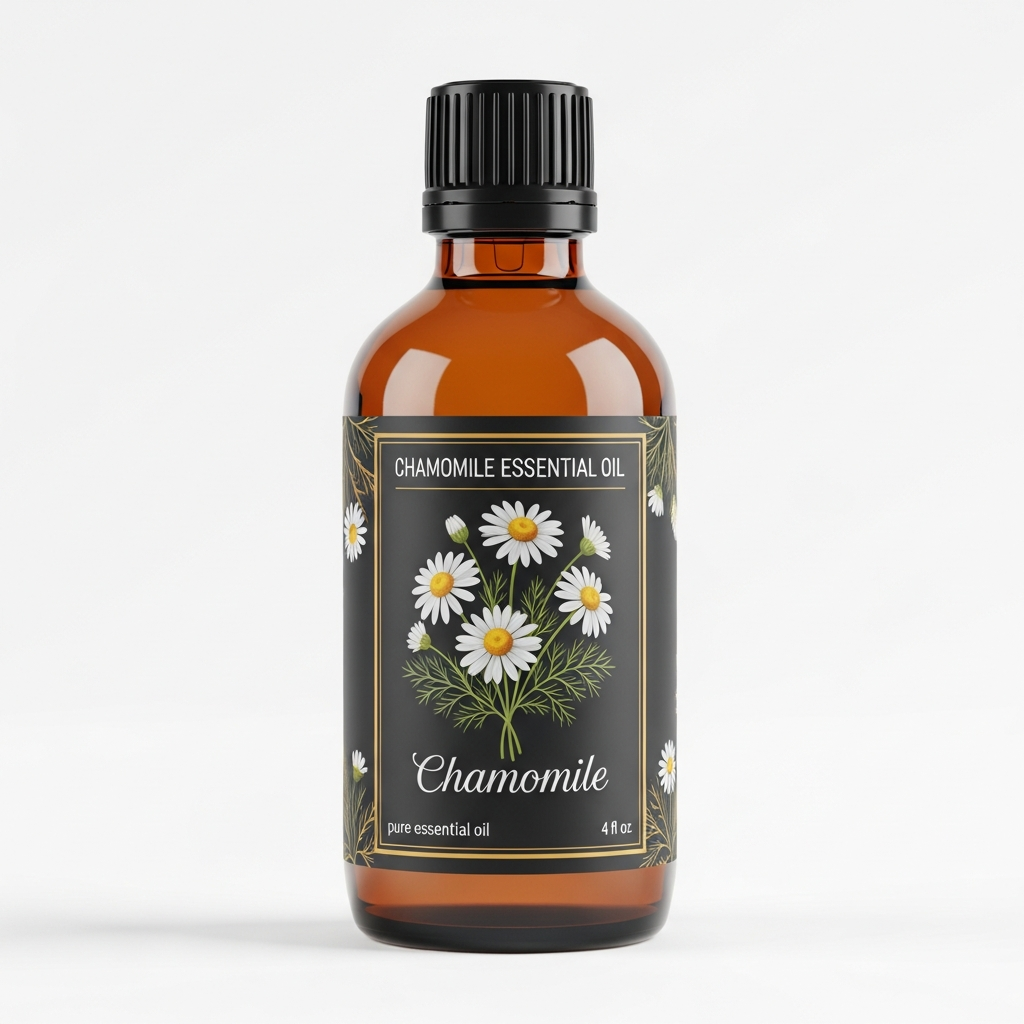
Chamomile Essential Oil
Our own Chamomile Essential Oil, in sizes from 0.5 oz to bulk.
From $29.38
Shop Now →This guide walks you through the process from start to finish: what to gather, how to set up each step, and what you might reasonably expect from the experience. We have also included common mistakes that trip up newcomers, so you can skip the frustration and move straight to the good part.
Why Chamomile Oil Works Well for Evening Use
Roman chamomile (Anthemis nobilis) and German chamomile (Matricaria chamomilla) both carry a distinctive, apple-tinged floral scent that many people associate with quieter moments. The aroma is gentle rather than sharp, which makes it a natural fit for the hours before sleep. If you want to go deeper on the differences between the two species, our complete guide to chamomile essential oil covers sourcing, extraction methods, and quality markers in detail.
For this routine, Roman chamomile is the preferred choice. Its scent profile is softer and slightly sweeter, which tends to blend more harmoniously with other evening oils. German chamomile works beautifully in skincare applications, and we will touch on that below.
What You Will Need
Gathering everything before you begin makes the routine feel effortless rather than like a project. Here is what to have on hand.
For Diffusing
- An ultrasonic or nebulizing diffuser (ultrasonic models are quieter, which suits bedtime use)
- Roman chamomile essential oil, preferably GC/MS tested and from a reputable supplier
- One or two complementary oils: lavender (Lavandula angustifolia), sandalwood, or vetiver all pair beautifully
- Filtered or distilled water (for ultrasonic models)
For Topical Application
- A carrier oil: jojoba, sweet almond, or fractionated coconut oil work well
- A 10 mL roller bottle or a small glass dish for mixing
- Roman or German chamomile essential oil
- Optional: lavender essential oil for blending
For a Botanical Bath or Foot Soak
- A handful of dried chamomile flowers (optional but lovely)
- Full-fat milk, liquid castile soap, or a dispersant (never add undiluted essential oil directly to bathwater)
- 3 to 4 drops of Roman chamomile essential oil
Step-by-Step: Building Your Evening Wind-Down Routine

Step 1: Set a Consistent Start Time
Choose a time roughly 60 to 90 minutes before you plan to sleep. Consistency matters more than perfection here. When you begin the same ritual at roughly the same hour each evening, the sensory cues (the scent of chamomile, the dimmed lights, the slower pace) start to function as environmental signals that shift your mood toward rest.
Set a phone reminder if that helps. Label it something you will actually look forward to seeing.
Step 2: Prepare Your Diffuser Blend
This is the centerpiece of a chamomile oil wind-down. A good bedtime diffuser blend does more than smell pleasant. It reshapes the atmosphere of the room.
Fill your ultrasonic diffuser to its recommended water line. Then add your drops. A reliable starting blend for most adults is:
- 3 drops Roman chamomile
- 3 drops lavender
- 1 drop vetiver or cedarwood
This combination layers soft floral and earthy notes in a way that feels grounding without being heavy. If vetiver is too smoky for your preference, sandalwood or frankincense makes a quieter substitute.
For more bedtime diffuser blends built around chamomile, see our dedicated roundup: 5 chamomile diffuser blends for a calm home atmosphere. And if you love the classic pairing of lavender with chamomile, our article on lavender and chamomile essential oil explores that combination in much more depth.
Start the diffuser before you begin any other part of the routine. By the time you have changed clothes, done a few quiet tasks, or finished your evening skincare, the scent will already be present in the room.
Step 3: Patch Test Before Any New Topical Application
If you plan to use chamomile oil on your skin, this step is non-negotiable. Essential oils are potent plant concentrates and should always be diluted in a carrier oil before skin contact. Even gentle oils like chamomile can cause sensitivity in some people.
To patch test: dilute one drop of chamomile essential oil in a teaspoon of carrier oil. Apply a small amount to the inside of your forearm or the crook of your elbow. Wait 24 hours. If you notice redness, itching, or irritation, do not continue topical use and consult a qualified healthcare provider.
Dilution ratios matter. For most adults, a 2% dilution is appropriate for daily skin application. That works out to about 12 drops of essential oil per ounce (30 mL) of carrier oil. For a 10 mL roller bottle, use 6 drops total. Always use a lower dilution (around 1%) for sensitive skin areas, such as the face or neck.
Step 4: Prepare a Topical Roller for Pulse Points
A chamomile roller blend applied to pulse points is one of the simplest ways to carry the evening scent with you as you move through your routine. Pulse points, including the inner wrists, base of the throat, and behind the ears, are areas where the skin is naturally warmer, which gently releases the scent over time.
To make a basic evening roller:
- Fill a clean 10 mL roller bottle about three-quarters full with your chosen carrier oil.
- Add 4 drops of Roman chamomile and 2 drops of lavender.
- Cap the bottle and roll it gently between your palms to blend (do not shake vigorously).
- Label it with the date. Most blends stay fresh for 6 to 12 months if stored away from heat and direct light.
Apply it after washing your face or hands, when your skin is clean and slightly warm. The scent tends to bloom more beautifully on freshly cleansed skin.
Step 5: Consider a Short Foot Soak or Bath (Optional)
This step is optional but worth including when you have the time. Warm water on its own may support a sense of physical ease after a long day. Adding chamomile enriches the experience with scent and a sense of ritual.
For a foot soak: fill a basin with comfortably warm water. Mix 3 drops of Roman chamomile essential oil into a tablespoon of full-fat milk or liquid castile soap before adding it to the water. This disperses the oil safely rather than leaving it floating undiluted on the surface. Soak for 10 to 15 minutes.
For a bath: the same principle applies. Never add undiluted essential oil directly to the water. Always use a dispersant first. Keep the water temperature comfortable rather than scalding, as very hot baths can be overstimulating for some people.
Step 6: Wind Down Your Screens and Settle In
Your diffuser is running. Your roller is on your wrists. The scent of chamomile is working quietly in the background. Now the most important step: let the routine actually work by giving it the environment it needs.
Dim the lights if you can. Put your phone in another room or switch it to a mode that limits notifications. Read a physical book, do some gentle stretching, or simply sit quietly. The chamomile oil evening routine is most effective when paired with a genuine slowdown, not just a pleasant smell layered over a busy schedule.
Some people find it helpful to write two or three sentences in a notebook: something they noticed that day, or something they are looking forward to tomorrow. This small act of reflection can mark the transition from the doing part of the day to the resting part.
Tips and Common Mistakes to Avoid
Do Not Overload Your Diffuser
More drops do not mean a better experience. A bedroom is a small space, and essential oil molecules concentrate quickly in an enclosed room. Start with 4 to 6 drops total and adjust from there. Running the diffuser for 30 to 60 minutes at the start of your routine, then turning it off, is often plenty. Continuous overnight diffusing is not recommended.
Keep the Room Ventilated
Crack a window slightly or make sure there is some airflow in the room. This is especially important if you share the space with children, pets, or anyone with respiratory sensitivities. Cats in particular are sensitive to many essential oils, and diffusing around them warrants extra caution. Consult a veterinarian if you are uncertain.
Store Your Oils Properly
Chamomile essential oil is sensitive to heat, light, and oxygen. Store bottles upright in a cool, dark place (a small drawer or cabinet works well). Always close caps tightly after use. Roman chamomile has a relatively short shelf life compared to some other oils: plan to use it within 1 to 2 years of opening.
Be Consistent, But Not Rigid
The power of an evening routine is in its repetition. But missing a night should not feel like a failure. If you fall asleep on the couch or life simply runs late, just pick it up the next evening. Consistency over weeks matters more than perfection on any single night.
Do Not Skip the Patch Test
This mistake comes up repeatedly, especially for people who are new to topical essential oil use. Chamomile is generally considered one of the gentler oils, but skin reactions are individual and unpredictable. Patch testing takes five minutes and protects you from a much more unpleasant experience.
What to Reasonably Expect

After a week or two of consistency, many people report that the scent of chamomile alone begins to feel associated with slowing down. This is sometimes described as a conditioned response: the brain begins to link the aromatic cue with the behaviors and feelings that follow it.
People often describe evenings that feel quieter, more intentional, and easier to navigate. Some report that the process of preparing the routine (choosing the blend, filling the diffuser, applying the roller) functions as a pause that helps them shift gears after the demands of the day.
Results vary by person, and no essential oil routine is a substitute for addressing the root causes of restless nights or ongoing fatigue. If you are dealing with persistent sleep difficulties, please speak with a qualified healthcare provider.
What the routine does offer, consistently, is a sensory environment that you have deliberately designed to feel different from the rest of your day. That alone is worth building.
A Note on Quality
The difference between a high-quality Roman chamomile oil and a diluted or adulterated product is significant, both in scent and in the overall experience. Look for oils that come with GC/MS (gas chromatography/mass spectrometry) test results, clear country of origin labeling, and transparent sourcing information. Oils marketed at unusually low prices are frequently adulterated. A small bottle of genuine Roman chamomile is not inexpensive, but a little goes a long way when used thoughtfully.
Investing in quality at the start saves disappointment later. And when the oil smells genuinely good, the routine is simply more enjoyable.