
How to Make Chamomile Oil at Home: Simple Infusion for Beginners
Making a chamomile infused oil at home is one of the most satisfying botanical projects you can take on. The process is slow and gentle by design, which suits chamomile perfectly. You end up with a golden, softly scented oil that carries the character of the dried flowers into every application.
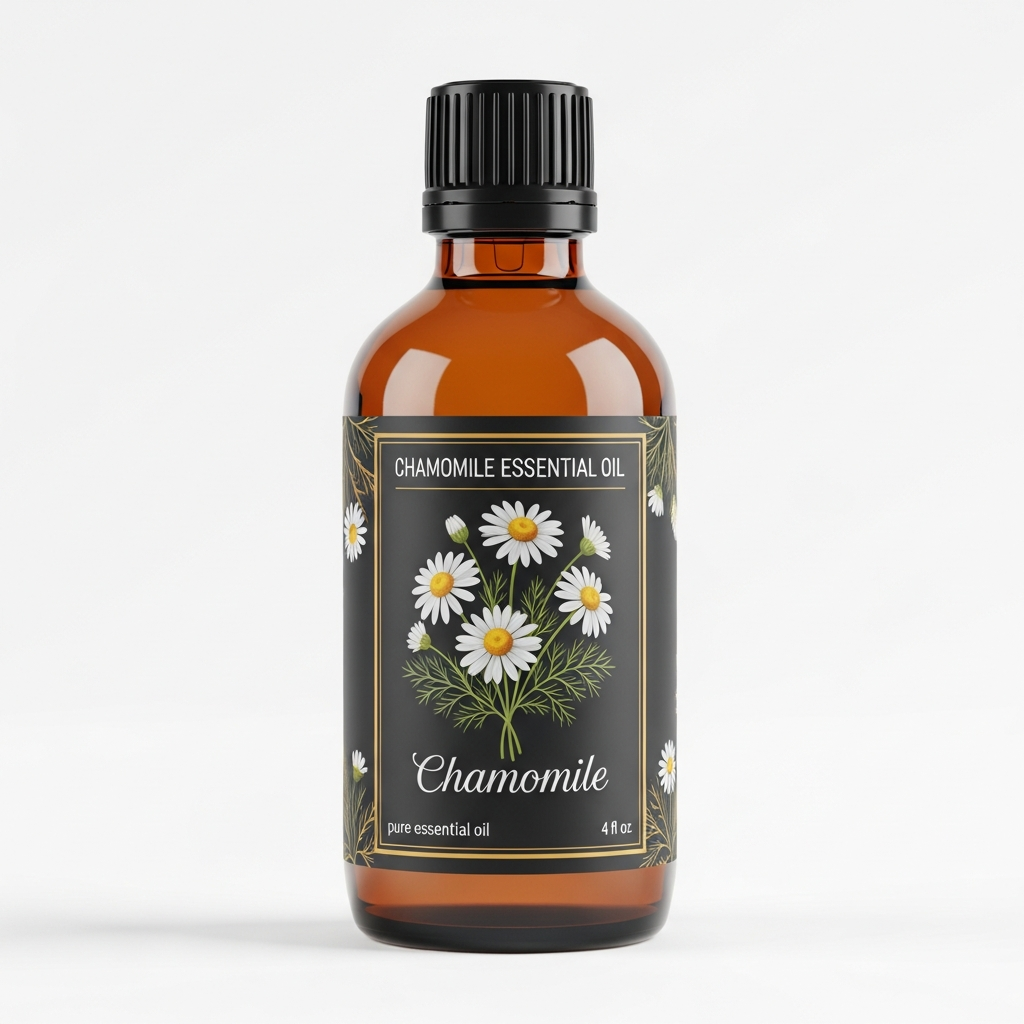
Chamomile Essential Oil
Our own Chamomile Essential Oil, in sizes from 0.5 oz to bulk.
From $29.38
Shop Now →This guide covers the cold infusion and warm infusion methods, both within reach for a first attempt. Before diving in, it helps to understand one important distinction: a chamomile infused oil is not the same as chamomile essential oil. Essential oil is produced through steam distillation and requires specialized equipment. What you are making here is a carrier oil infused with dried chamomile flowers. It is a different product with its own appealing qualities, used in skincare and hair care as a base ingredient. If you want to learn more about the distilled version, the complete guide to chamomile essential oil is a good starting point.
Difficulty Level and Time Commitment
- Difficulty: Beginner-friendly
- Active prep time: 15 to 20 minutes
- Infusion time (cold method): 4 to 6 weeks
- Infusion time (warm method): 4 to 8 hours
- Total yield: Approximately 8 ounces of finished infused oil
The cold method asks very little of you actively. Most of the work happens on its own, on a sunny windowsill, while you go about your days. The warm method compresses that timeline considerably, though the cold method is generally preferred when you have the patience for it.
What You Will Need
Ingredients
| Ingredient | Amount | Notes |
|---|---|---|
| Dried chamomile flowers | 1 cup (loosely packed, approx. 20 to 25 g) | Must be fully dried; fresh flowers introduce moisture and mold risk |
| Carrier oil of choice | 1.5 to 2 cups (12 to 16 fl oz) | See carrier oil options below |
Equipment
- One clean, dry glass mason jar with a tight lid (16-ounce or larger)
- Fine mesh strainer or cheesecloth
- A second clean glass jar or bowl for straining into
- Dark glass storage bottles (amber or cobalt) for finished oil
- A label and marker
- Optional for warm method: a small slow cooker, double boiler, or yogurt maker
Choosing Your Carrier Oil
The carrier oil you choose shapes the texture, scent, and shelf life of your finished product. Here are the most practical options for a chamomile infusion:
| Carrier Oil | Skin Feel | Approximate Shelf Life | Best For |
|---|---|---|---|
| Sunflower oil | Light, non-greasy | 9 to 12 months | General skincare, hair care |
| Jojoba oil | Silky, semi-dry finish | Up to 2 years | Facial applications, long shelf life |
| Sweet almond oil | Medium weight, slightly rich | 12 months | Massage, body applications |
| Fractionated coconut oil | Very light, no scent | Up to 2 years | Those who prefer neutral-smelling base |
| Olive oil | Rich, heavier feel | 12 to 18 months | Dry skin applications, body use |
For a first attempt, sunflower or sweet almond oil works well. Both are affordable, widely available, and have a mild enough scent that the chamomile character comes through clearly.
How to Make Chamomile Infused Oil: Step-by-Step
Method 1: Cold Infusion (Recommended)
This is the traditional solar infusion approach. Low temperatures preserve the more delicate aromatic compounds in the flowers.
- Check your flowers. Run the dried chamomile through your fingers. If it feels even slightly damp or clumps together, spread it on a baking sheet and leave it somewhere warm and airy for another 24 to 48 hours before you begin. Moisture inside the jar is the main cause of mold and rancidity.
- Fill the jar. Add your dried chamomile flowers to the clean, dry mason jar. Fill it loosely to about two-thirds full, which is roughly 1 cup of flowers.
- Pour in the carrier oil. Pour your chosen oil slowly over the flowers, ensuring all plant material is submerged. Leave about half an inch of headspace at the top. Any flowers sitting above the oil surface can go moldy, so press them down gently with a clean spoon if needed.
- Seal and label. Tighten the lid and label the jar with the oil type, flower type, and the date you started.
- Place in a warm, sunny spot. A south-facing windowsill works well. The gentle warmth from the sun helps the carrier oil draw out the aromatic and fatty compounds from the flowers. Shake or stir the jar gently once a day if possible.
- Wait 4 to 6 weeks. The oil will gradually take on a warm yellow or golden hue and a soft, apple-like floral scent. The longer you leave it (within reason), the richer the infusion.
- Strain the oil. After your infusion period, line a strainer with cheesecloth and pour the oil through it into a clean bowl or jar. Gather the cheesecloth corners and squeeze gently to extract the remaining oil from the flowers. Discard the spent flowers.
- Bottle and store. Transfer the finished oil into dark glass bottles. Add a label with the date and contents.
Method 2: Warm Infusion (Faster Option)
If you would prefer results within a day, the warm method accelerates the process by applying gentle, consistent heat.
- Combine dried chamomile flowers and carrier oil in a small slow cooker or double boiler at the lowest heat setting available, ideally between 95°F and 110°F (35°C to 43°C).
- Keep the temperature low and consistent. High heat degrades the aromatic quality of the oil and can cause the flowers to scorch.
- Leave it on this gentle heat for 4 to 8 hours, stirring occasionally.
- Allow the oil to cool to room temperature, then strain and bottle as described above.
A note on scent: Curious about what to expect aromatically from chamomile? The full scent profile of chamomile essential oil gives useful context. A chamomile infused oil carries a softer, more muted version of that same character.
Safety Warnings and Contraindications

Even gentle botanical oils deserve careful handling. Please read this section before your first application.
Patch Testing
Always perform a patch test before using any new infused oil on larger areas of skin. Apply a small amount to the inside of your wrist or the crook of your elbow. Wait 24 hours and observe the area. Do not proceed with broader use if you notice redness, itching, or any skin reaction.
Chamomile Allergy Considerations
Chamomile belongs to the Asteraceae family, which also includes ragweed, chrysanthemums, and marigolds. Individuals with known sensitivities to plants in this family should approach chamomile-based products cautiously and consult a qualified healthcare provider before use.
Dilution Guidelines
A chamomile infused oil is already diluted by its nature (plant material in a carrier oil), which makes it safer for direct skin contact than essential oil. However, if you choose to add chamomile essential oil to your infusion for a stronger scent profile, standard dilution ratios apply:
- For most adults (body use): 2% dilution, which is approximately 12 drops of essential oil per 1 ounce (30 ml) of carrier
- For facial applications: 1% or lower, approximately 6 drops per 1 ounce
- For children and those with sensitive skin: 0.5% or lower. Consult a qualified healthcare provider before using any essential oil on or near children.
Pregnancy and Nursing
If you are pregnant, nursing, or planning to become pregnant, please consult a qualified healthcare provider before incorporating any new botanical oil into your routine.
General Guidance
Infused oils are for external, cosmetic use only. Keep away from eyes and mucous membranes. This article does not constitute medical advice. If you have a skin concern, speak with a dermatologist or qualified healthcare professional.
Storage Instructions and Shelf Life
Proper storage extends the life of your infused oil significantly. The two main enemies are light and heat, and the right bottle goes a long way.
- Container: Dark amber or cobalt glass bottles protect the oil from light degradation. Avoid storing finished oil in clear glass or plastic long-term.
- Location: A cool, dark cupboard away from the stove or any heat source is ideal.
- Temperature: Room temperature storage is generally fine. Refrigeration can extend shelf life, though some oils may thicken or cloud slightly in the cold; this is harmless and reverses at room temperature.
- Shelf life: Your infused oil's shelf life follows the shelf life of the carrier oil you used. Sunflower-based infusions typically last 9 to 12 months. Jojoba-based infusions can last up to two years. Always check for any off or rancid smell before use.
- Vitamin E addition: A few drops of vitamin E oil (tocopherol) added at bottling can act as a natural antioxidant and may extend the oil's freshness modestly.
For a thorough breakdown of storage best practices, the guide on how to store chamomile oil covers bottles, conditions, and freshness indicators in detail.
Variations and Substitutions
Dried Flower Variations
If you cannot source quality dried chamomile locally, look for organic chamomile flowers from reputable herbal suppliers online. German chamomile (Matricaria chamomilla) and Roman chamomile (Chamaemelum nobile) can both be used for infusions; each brings a slightly different aromatic note. German chamomile produces a noticeably more earthy, fruity character, while Roman chamomile leans softer and more apple-like.
Blended Floral Infusions
Once you are comfortable with the basic process, consider adding other dried botanicals to the jar alongside the chamomile. Dried lavender buds and chamomile pair naturally and create a rounder, more complex infusion. Keep total flower volume to roughly two-thirds of the jar to maintain the right flower-to-oil ratio.
Carrier Oil Substitutions
Run out of sweet almond oil mid-project? Sunflower oil is the most direct swap for feel and cost. If you have oilier skin and prefer a lighter finish, fractionated coconut oil is a practical alternative that will not clog most pore types, though individual skin responses vary.
Adding Essential Oil After Infusion
For a more pronounced chamomile scent, you can blend a small amount of chamomile essential oil into your finished infused oil. Follow the dilution ratios listed in the safety section above. A few drops go a long way, and it is always easier to add more than to correct an over-scented batch.
How to Use Your Chamomile Infused Oil
This infused oil is a versatile base for many cosmetic applications:
- Facial oil: A few drops pressed gently onto clean skin as part of an evening routine
- Body massage oil: Warmed between the palms and applied in long strokes after a bath or shower
- Hair and scalp care: Worked lightly through dry ends or massaged into the scalp before washing out
- DIY base ingredient: Used as the oil phase in homemade balms, body butters, or lotions
- Cuticle oil: Applied with a small brush or dropper to the nail bed as part of a hand care ritual
Making a chamomile infused oil at home puts the process entirely in your hands. You choose the flowers, the carrier, and the method. The result is a product you understand from start to finish, which is its own kind of reward.