Before You Add Chamomile Oil to a Humidifier
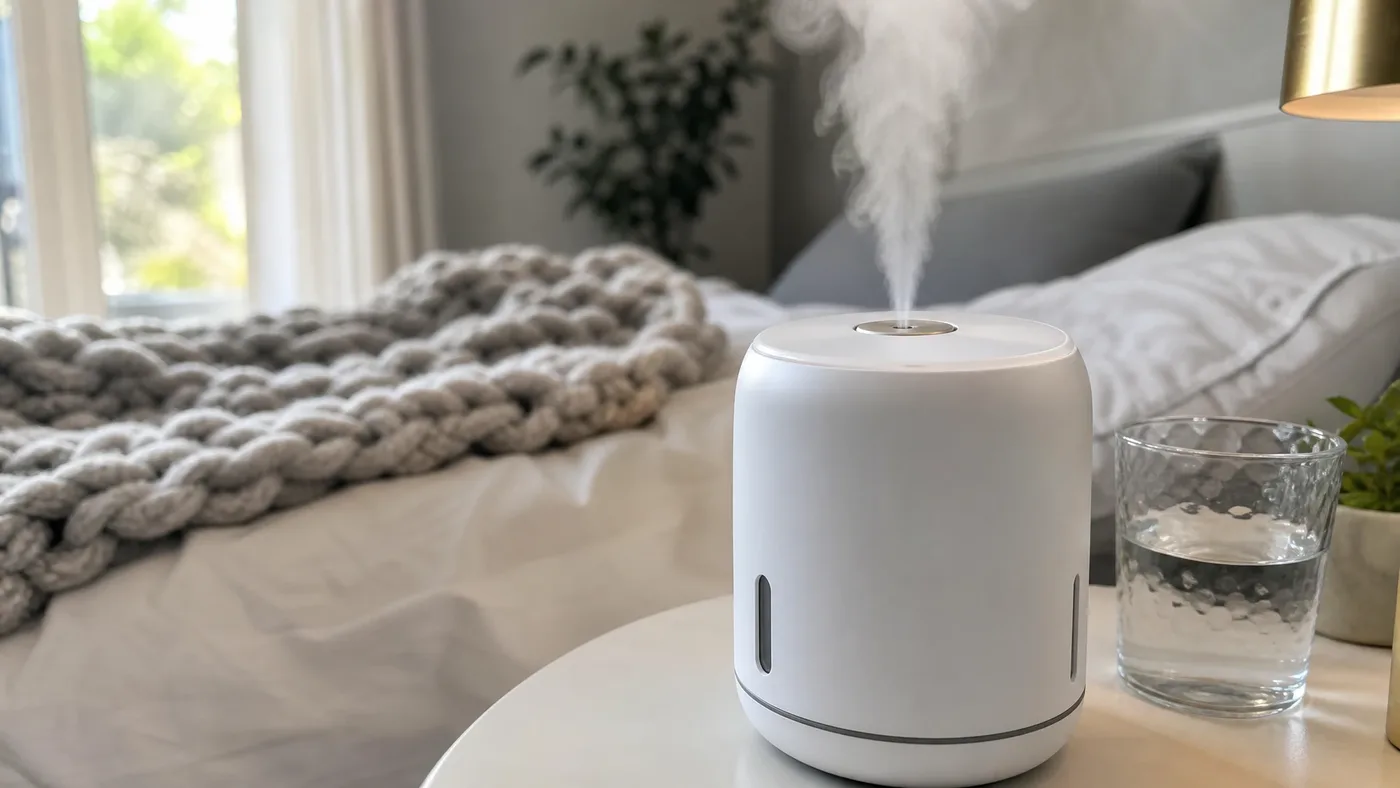
Short answer: not in the water tank, unless your own manual says oils are allowed there. A humidifier is built to turn water into mist, and an oil that floats on the surface does not belong in that job. If your machine has a dedicated aroma pad or scent cup, that is the place for a few drops. If it does not, the machine is simply not the right tool for chamomile scent.
Roman Chamomile Essential Oil
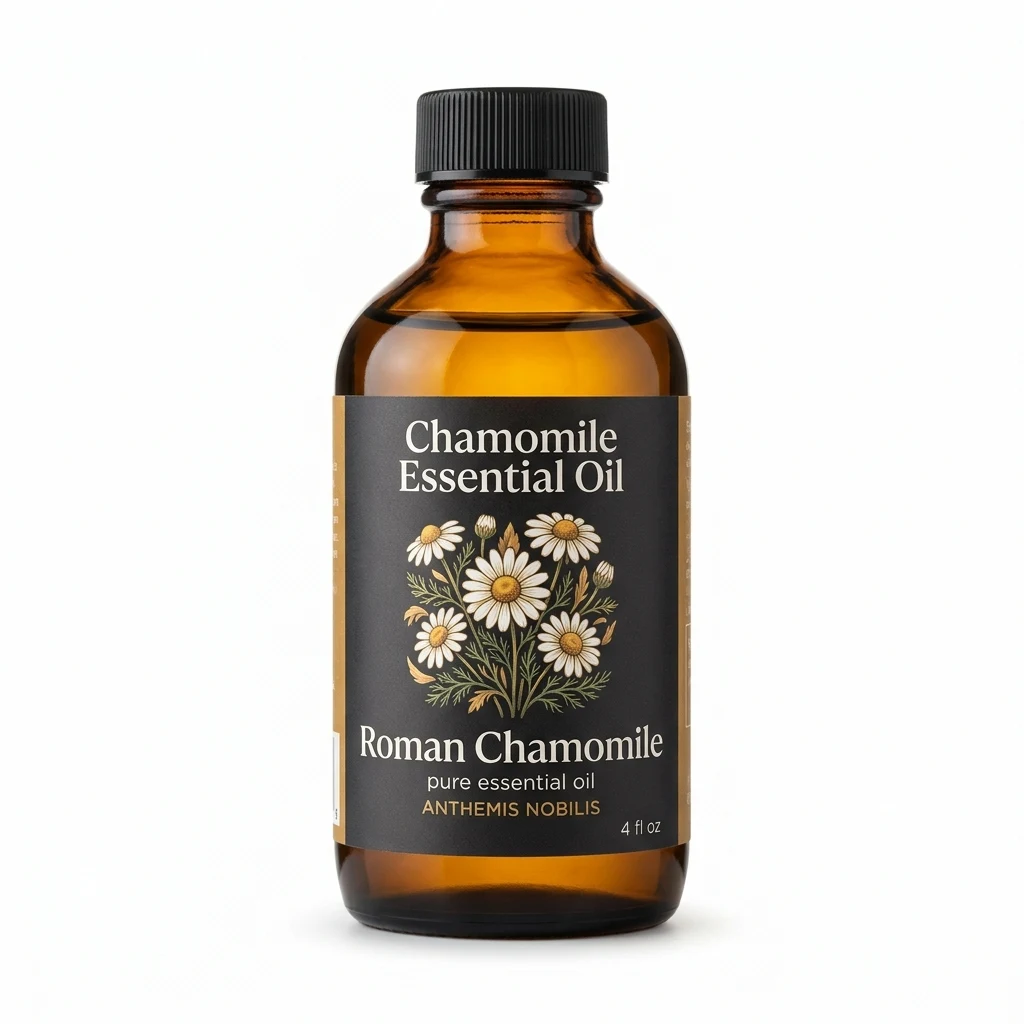
Our own Roman Chamomile Essential Oil, in sizes from 0.5 oz to bulk.
From $32.99
Shop Now →Your manual outranks us
Humidifiers differ a lot. Some have a separate pad or small cup made for essential oil, and others are water-only machines where adding anything to the tank is not what the maker intended. We do not make humidifiers or sell them, and we cannot see yours, so the only authority on what is allowed is the manufacturer's manual for your exact model. If it says water only, that settles it. If it points you to an aroma compartment, use that and nothing else, and go light with the drops: a small pad holds very little, and extra drops make a wetter pad, not a bigger room scent.
Which kind of machine you have changes the picture
The Environmental Protection Agency notes that ultrasonic and impeller (cool mist) humidifiers can disperse materials from their water tanks into the room air, including microorganisms and minerals (EPA). So whatever goes into that water has a direct route into the air you breathe. Warm mist units work differently, heating the water, and again the manual says where oil may go. A dedicated aroma diffuser is a separate appliance designed for oil, and our post on chamomile in a diffuser covers that route.
Clean first, scent second
The more important humidifier habit has nothing to do with oil. The EPA advises emptying the tank, wiping surfaces dry and refilling with fresh water every day, using low-mineral water such as distilled, and cleaning portable humidifiers every third day to limit scale and microorganisms. Adding a scent does not replace any of that. If a machine is not on that cleaning schedule, the more useful project is the cleaning.
The EPA's page does not discuss adding scents to humidifier water at all, so it gives no guidance either way on oils. That silence is another reason to rely on the manual.
Staining and spills
Our German chamomile oil has an inky blue tint from chamazulene, and it can stain pale fabric. If you use an oil pad, keep it and any spilled drops away from curtains, bedding and light upholstery, and wash your hands after handling it.
How long, and for whom
The American Lung Association advises that if you use a diffuser you follow the manufacturer's instructions and keep the space well ventilated, and notes that prolonged exposure to high concentrations of essential oils is associated with heart and lung symptoms. It adds that people with asthma or COPD may be particularly susceptible to irritation from inhaled oils (American Lung Association). That is a patient organization's cautious stance, but it points the practical way: shorter sessions, an open door and fresh air beat running a scented machine all night in a closed bedroom. If anyone in the house has asthma or COPD, ask their physician first.
Chamomile is also in the daisy family, so anyone with ragweed or related allergies should check with an allergist before trying it in the air. Babies are a question for the pediatrician (see our guide for homes with children), and animals a question for the veterinarian, with our posts on cats and dogs as a starting point. For other ways to enjoy the scent, our inhalation guide is the place to look.
A humidifier that is clean and filled with fresh water is already doing its job, and chamomile scent can wait for a machine that is designed to carry it.
Roman Chamomile Essential Oil
Roman Chamomile Essential Oil from our own shop, in sizes from 0.5 oz to bulk.
From $32.99
Shop Now →