Does Chamomile Oil Go Bad? Signs and Shelf Life
Open a bottle of chamomile oil that has sat in a cupboard for a few years and you will not find anything dramatic. No mould, no sour smell like old milk. What you get is quieter: the sweet, apple-like top note is a little flatter, and the whole thing smells slightly tired. That slow fade is oxidation, and it is worth understanding because it tells you both how long to keep a bottle and when to stop putting it on skin.
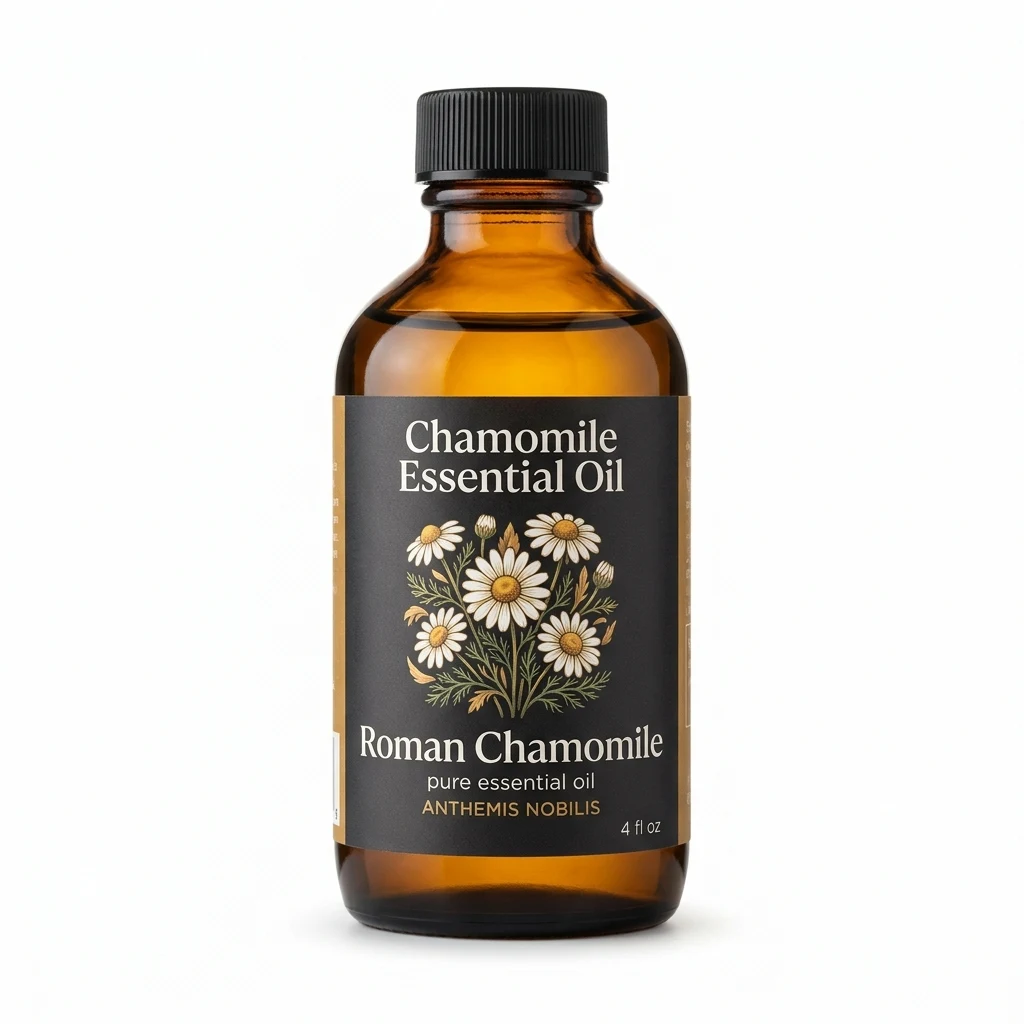
Roman Chamomile Essential Oil
Our own Roman Chamomile Essential Oil, in sizes from 0.5 oz to bulk.
From $32.99
Shop Now →What is actually happening in the bottle
Essential oils are mixtures of small aromatic molecules, and many of them react with oxygen over time. Heat, light and moisture speed that along, and so does extra air in the bottle: Tisserand Institute puts it plainly, "the more air there is in the bottle the faster the oil will oxidize." The result is a slow shift in the molecules, which is why the smell changes first.
Chamomile has a few extra things going on. The blue in German chamomile oil comes from chamazulene, a compound the review literature describes as unstable, and the same review notes that chamomile oil that is brilliant blue to deep green when fresh turns dark yellow after storage. Roman chamomile oil has less chamazulene and gets its sweet, fruity character mostly from esters, which is a different chemistry again. So a colour change is a hint, but we would not make it the test. A bottle can drift in colour and still smell fine, and the reverse.
The most direct evidence is a 2024 laboratory study on chamazulene. Under strong UVA light for three hours it broke down into seven by-products, most of them containing extra oxygen, while a sample held at 50 C in the dark for 50 days showed no degradation. Put simply, light did far more damage than warmth in that experiment. That is a good argument for a dark cupboard over a sunny shelf, though it is one lab study on one compound, not a shelf-life guarantee.
How long a bottle lasts
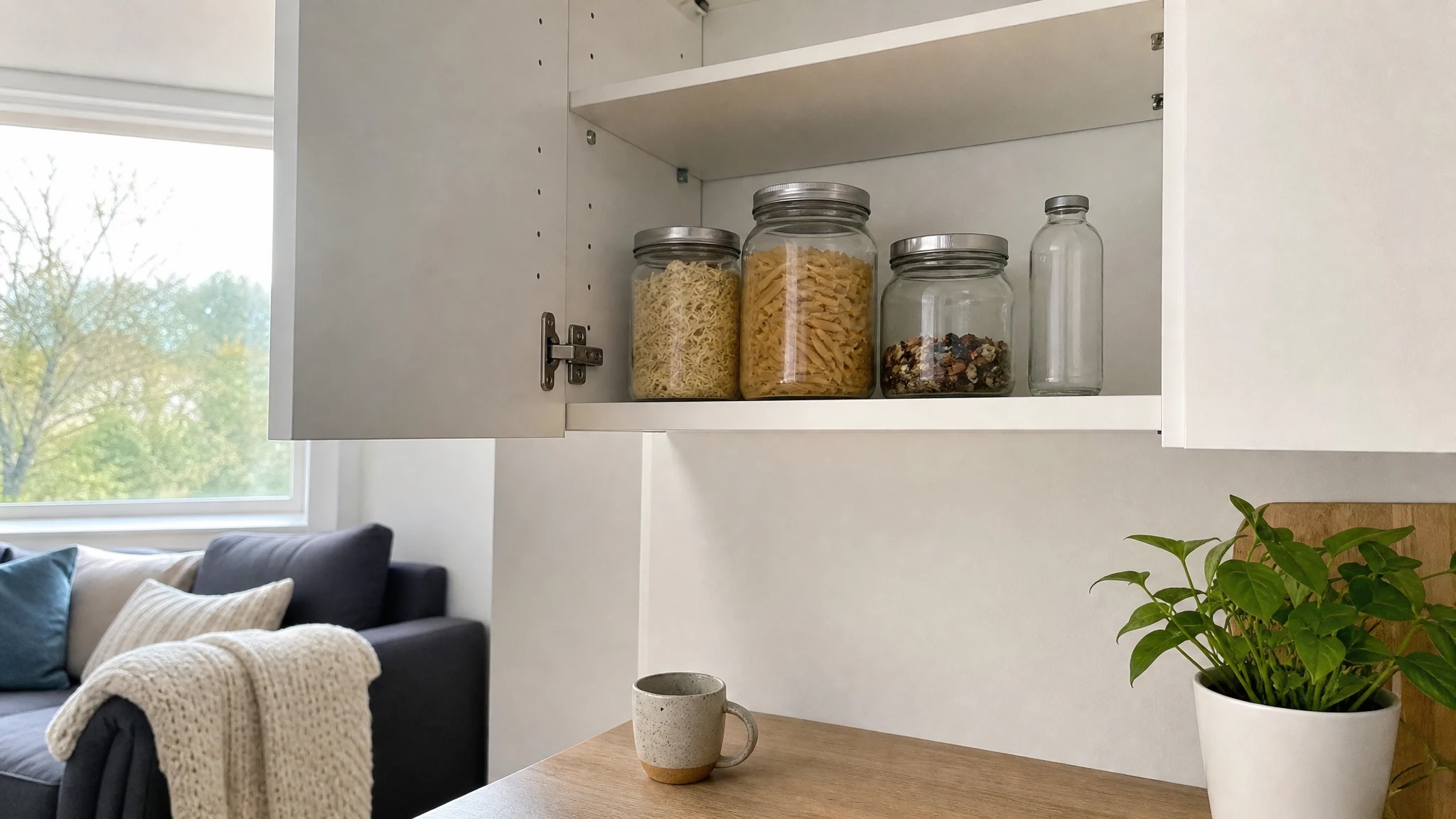
For our own oils the guidance is the same on both product pages: typically 2 to 3 years when kept tightly capped in a cool, dark place away from heat and sunlight. We bottle in amber glass. Tisserand Institute offers a similar picture in more cautious words: most oils keep well for at least a year or two, and oils used within 6 to 12 months are rarely affected. It calls its timelines rough guidelines, and we think that is the honest way to hold any shelf-life number, ours included.
The practical habit that matters most is simple. Note the date you opened the bottle, and cap it the moment you are done.
Checking an older bottle
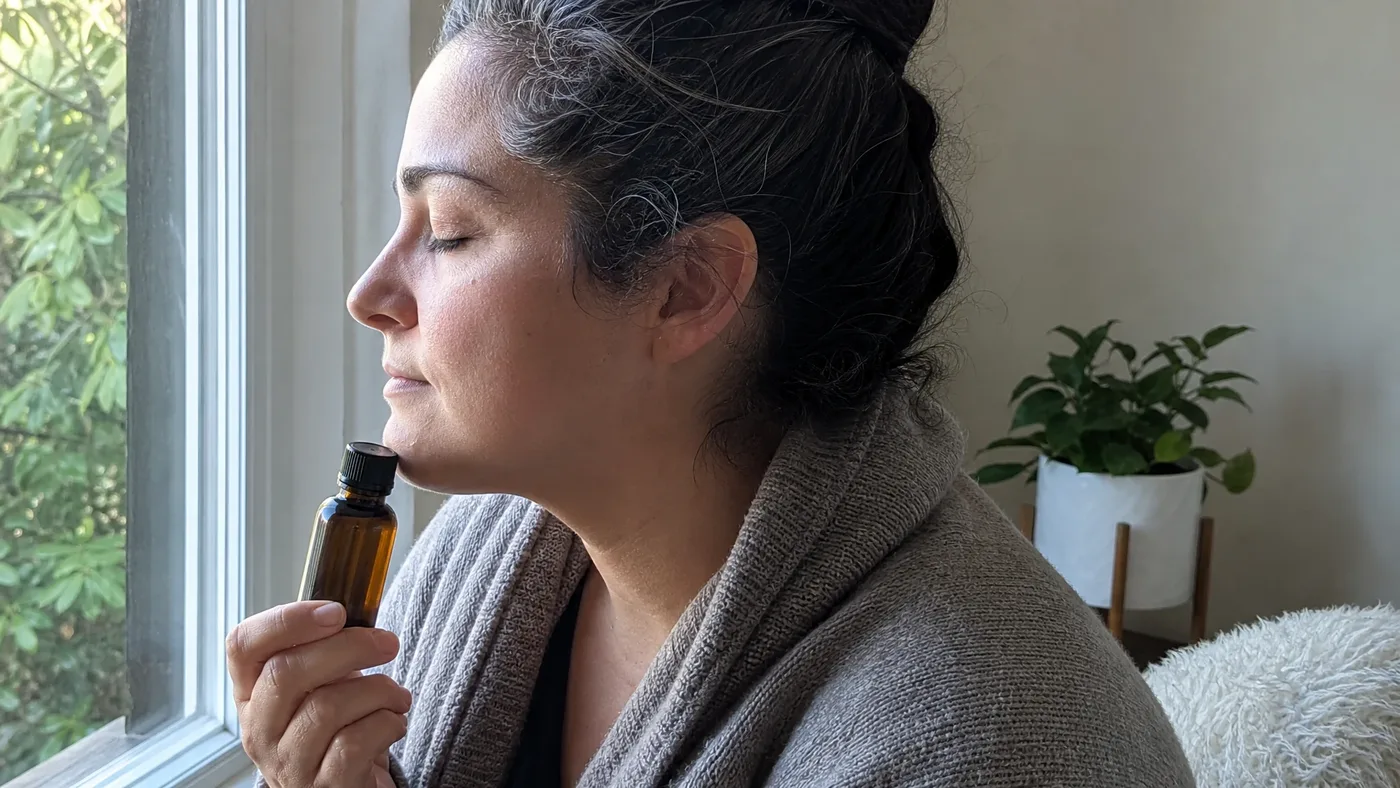
- Smell it against something fresh. Tisserand Institute says the main clue is the smell, and the easiest way to notice a loss of brightness is to compare with a newer bottle. If you do not have one, trust your first impression: flat, sharp, is not what chamomile should smell like.
- Look and pour. A thicker pour means the oil has changed, though Tisserand Institute notes that takes years, and it is a late sign.
- Think about the skin. This is the one that deserves a decision. Tisserand Institute notes oxidation products tend to be slightly toxic and raise the risk of adverse skin reactions. Chamomile already asks for care from anyone with ragweed or daisy-family allergies, as we explain in our chamomile safety guide, so we would not put a doubtful bottle on skin at all.
A bottle that smells off does not need to be dramatic to be retired. Set it aside from skin products, and if the aroma is simply muted rather than wrong, a room diffuser is a forgiving place for it to finish. Otherwise, dispose of it following your local household waste guidance.
Getting more years out of a bottle
Everything above points to the same short list. Keep the cap tight. Keep it out of light, and out of a hot car or a shelf over a radiator. Tisserand Institute says refrigeration roughly doubles useful life; if you buy more than you will use for a couple of years, a small spare bottle in the fridge is a reasonable idea. And because air in the bottle speeds oxidation, a half-empty large bottle ages faster than a full small one, which is why we suggest starting small and moving up only when you are using it regularly. Our storage guide covers the details of where to put it, and why chamomile oil is blue explains the chamazulene behind the colour. If you are weighing bottle sizes, the sizes post shows how that works in practice.
Chamomile is a delicate, sweet oil, and it rewards a little care: dark, tight, and used while it still smells like itself.
Roman Chamomile Essential Oil
Roman Chamomile Essential Oil from our own shop, in sizes from 0.5 oz to bulk.
From $32.99
Shop Now →Sources & Further Reading
- Tisserand Institute, Is my bottle of essential oil oxidized or no longer good to use?
- Gabbanini S, Neba JN, Matera R, Valgimigli L. Photochemical and Oxidative Degradation of Chamazulene Contained in Artemisia, Matricaria and Achillea Essential Oils and Setup of Protection Strategies. Molecules, 2024.
- Srivastava JK, Shankar E, Gupta S. Chamomile: A herbal medicine of the past with bright future. Molecular Medicine Reports, 2010.