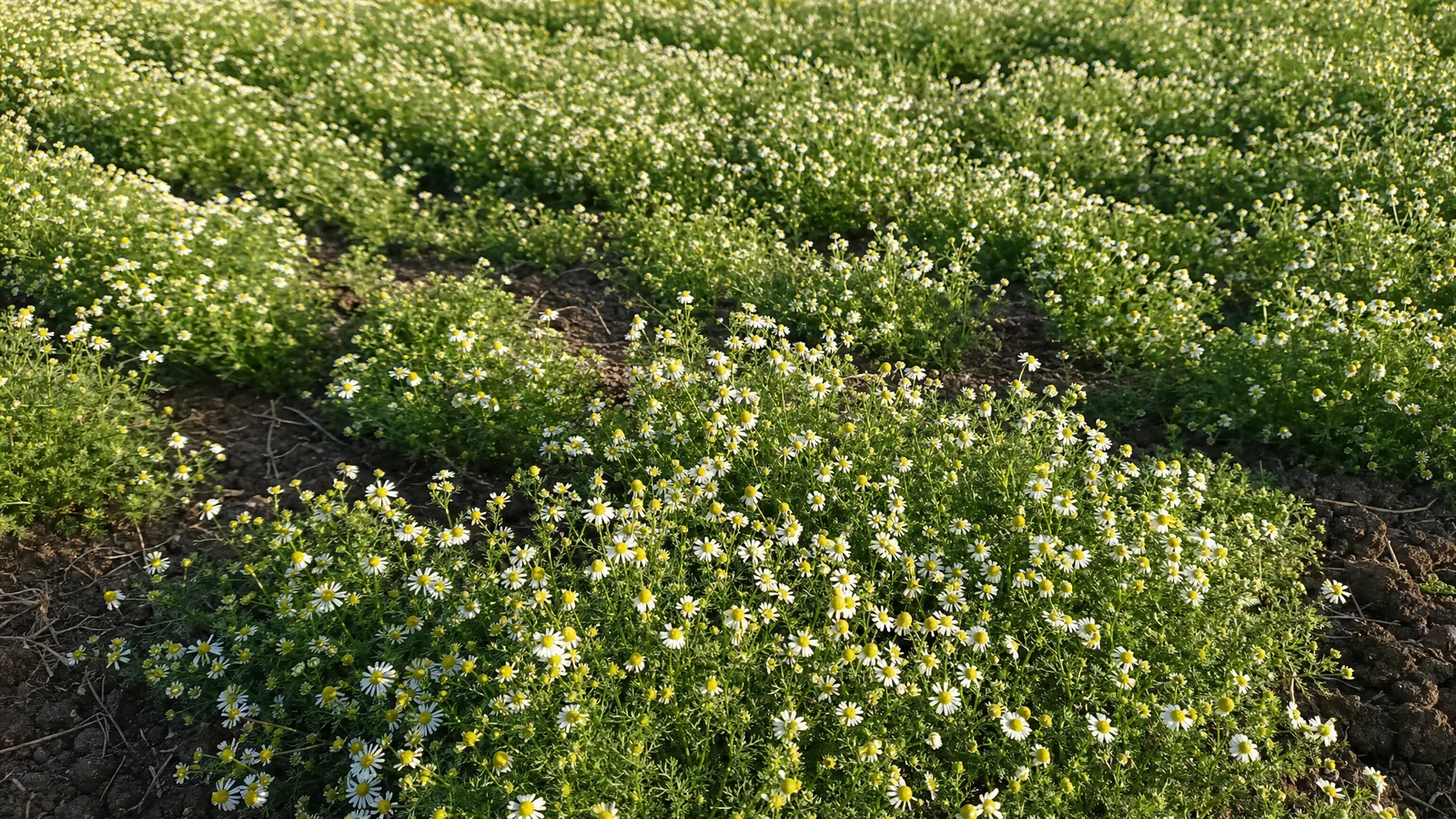
What Organic Means on a Chamomile Oil Bottle
"Organic" on a chamomile bottle is a legal claim, not a quality grade. It tells you something about how the plant was grown and handled, and nothing about which chamomile is inside or how your skin will react to it. Neither of our chamomile oils is sold as organic, so here is how to read the word wherever you meet it.
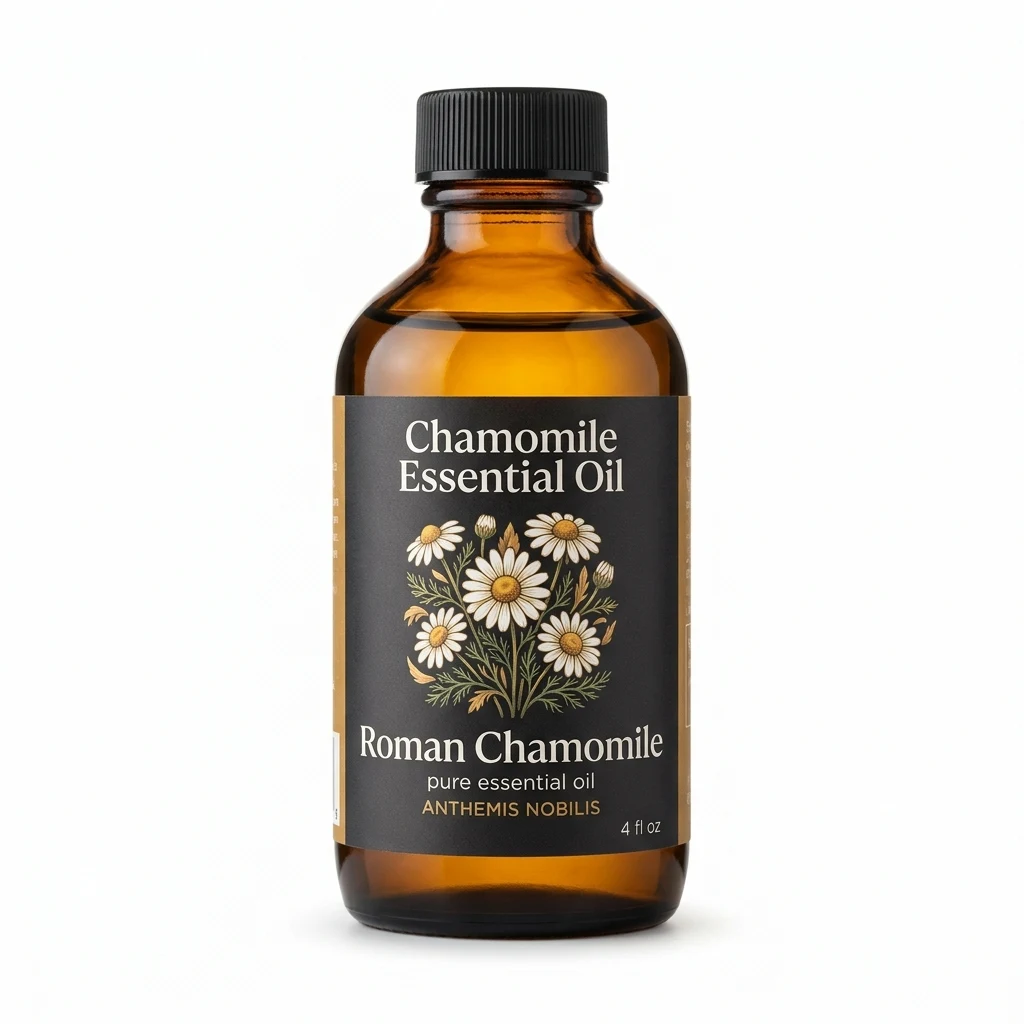
Roman Chamomile Essential Oil
Our own Roman Chamomile Essential Oil, in sizes from 0.5 oz to bulk.
From $32.99
Shop Now →What the claim legally is
The FDA says the term "organic" is not defined in the laws it enforces; the definition comes from the USDA National Organic Program. For a cosmetic that makes an organic claim, FDA says the product has to satisfy both the USDA rules for the claim and FDA's own labeling and safety rules, and meeting one does not cover the other (FDA, Organic Cosmetics). Two practical points follow. A seller can use "organic" loosely on a web page or in a product name without it being a certified claim, so look at the label on the bottle. And a certification from another country or scheme is not automatically the same thing as the U.S. one, so if a certifier is named, ask what the certificate covers.
What it cannot tell you
FDA is direct about safety: where an ingredient comes from does not decide whether it is safe, and plenty of plants, organic or not, can be allergenic. Chamomile is a good example. It is in the daisy family, and people sensitive to ragweed, chrysanthemums and relatives are more prone to contact allergy to it. A certified organic chamomile oil carries the same allergy caution as any other.
The label also does not say which chamomile it is. The same review notes that Roman oil has less chamazulene and is mainly esters of angelic and tiglic acid, a different chemistry from German oil. An organic bottle marked just "chamomile" has not answered that question. For composition, the document you want is a batch analysis, and how to read a chamomile GC-MS report explains what to look for.
Five questions to put to any organic claim
- Is the claim on the product label, or only on a web page? A page that says organic while the bottle does not is a mismatch worth raising.
- Who is the certifier, and can you see the certificate? A name and a document, not just a logo.
- Does it list this product? Certificates can cover some products from a business and not others, so look for chamomile essential oil and the right species.
- Does it cover the lot you will receive? A certificate is a status document; a batch analysis is a different one. Ask for each.
- Is it current? An expired certificate shows a claim that was once true.
A seller who answers all five quickly is showing you something real. The same test works on a conventional oil: ask what it is, which batch, and where the analysis is.
Does it matter for what you are making?
That depends on the project.
- You are certifying a finished product. Your certifier will want certificates for each organic input, so this is a documents question, not a preference.
- You prefer organically grown plants. That is a fair choice; make it on a certificate, not a product title.
- You have sensitive skin. Organic status does not address it. Dilution, a patch test and your own allergy history matter more. We recommend 0.5% to 2% in a carrier with a patch test first, and how to patch test chamomile shows the steps. For leave-on use on the face, ask a dermatologist.
- You want the best aroma. Species, lot and storage shape the scent, and the organic label reports none of them. Roman vs German helps you choose.
What we can and cannot say about ours
We sell a Roman chamomile (Anthemis nobilis) and a German chamomile, both steam-distilled and undiluted, with no carrier or additives. Neither is sold as organic, and the Certificate of Analysis we publish for one German batch lists appearance, smell, density and refractive index, with no organic information. If you need certified-organic chamomile, look for a seller who can show the certificate. If a certificate for a particular lot matters to a wholesale order, ask through our wholesale page before ordering rather than assuming.
The price question, without a price
People often ask whether the organic premium is worth it. A price gap only means something when both bottles are the same species and each has the same kind of paper behind it, so compare Latin name, plant part, batch analysis and, if organic is the point, a certificate with a named certifier. Our wider checklist is in how to buy chamomile essential oil.
In short, treat "organic" as the start of a conversation with a seller, and let the documents finish it.
Roman Chamomile Essential Oil
Roman Chamomile Essential Oil from our own shop, in sizes from 0.5 oz to bulk.
From $32.99
Shop Now →Sources & Further Reading
- U.S. Food and Drug Administration. Organic Cosmetics. fda.gov
- Srivastava JK, Shankar E, Gupta S, 2010. Chamomile: A herbal medicine of the past with bright future. Mol Med Rep 3(6):895-901. PMC2995283