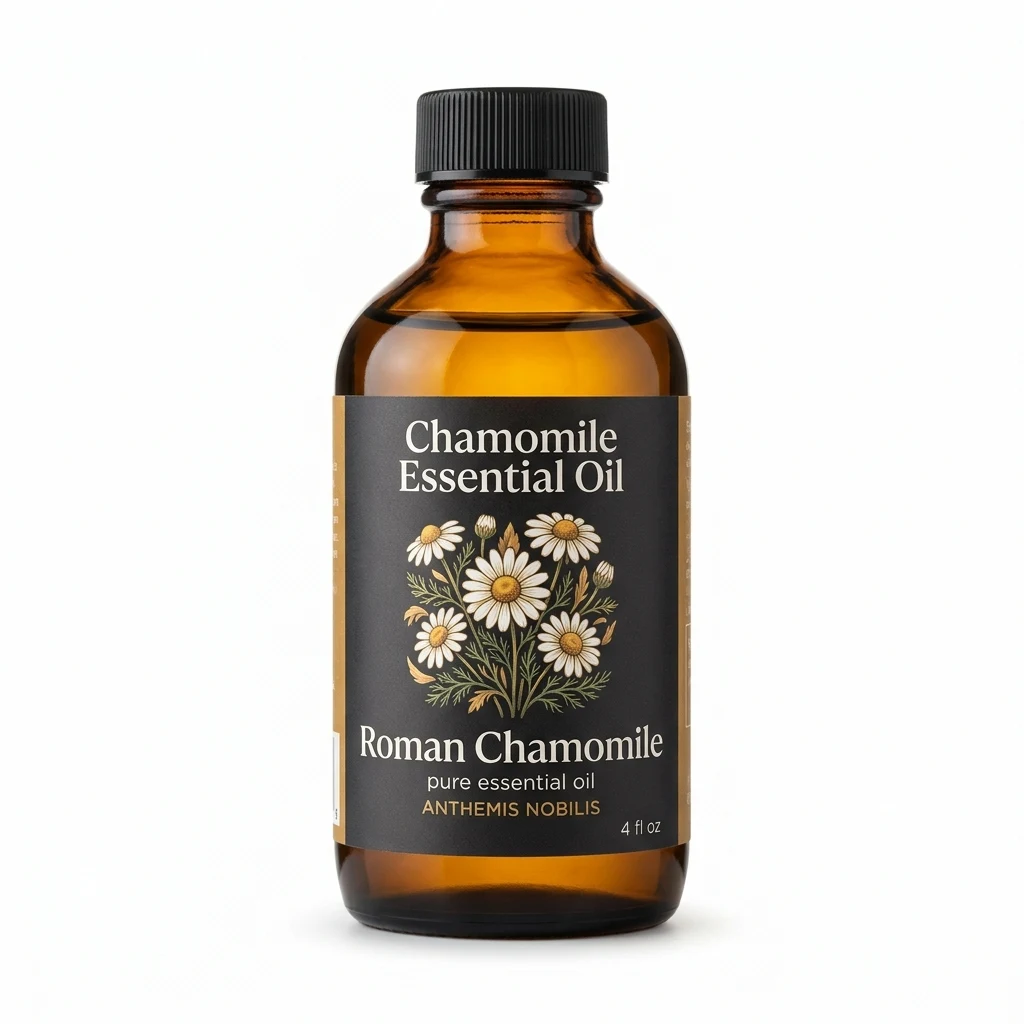
Chamomile Linen Spray That Stays Mixed: Two Methods
Oil and water do not mix, and witch hazel will not fix it. Two bases that do, how to keep the water clean, and what to check before spraying white sheets.
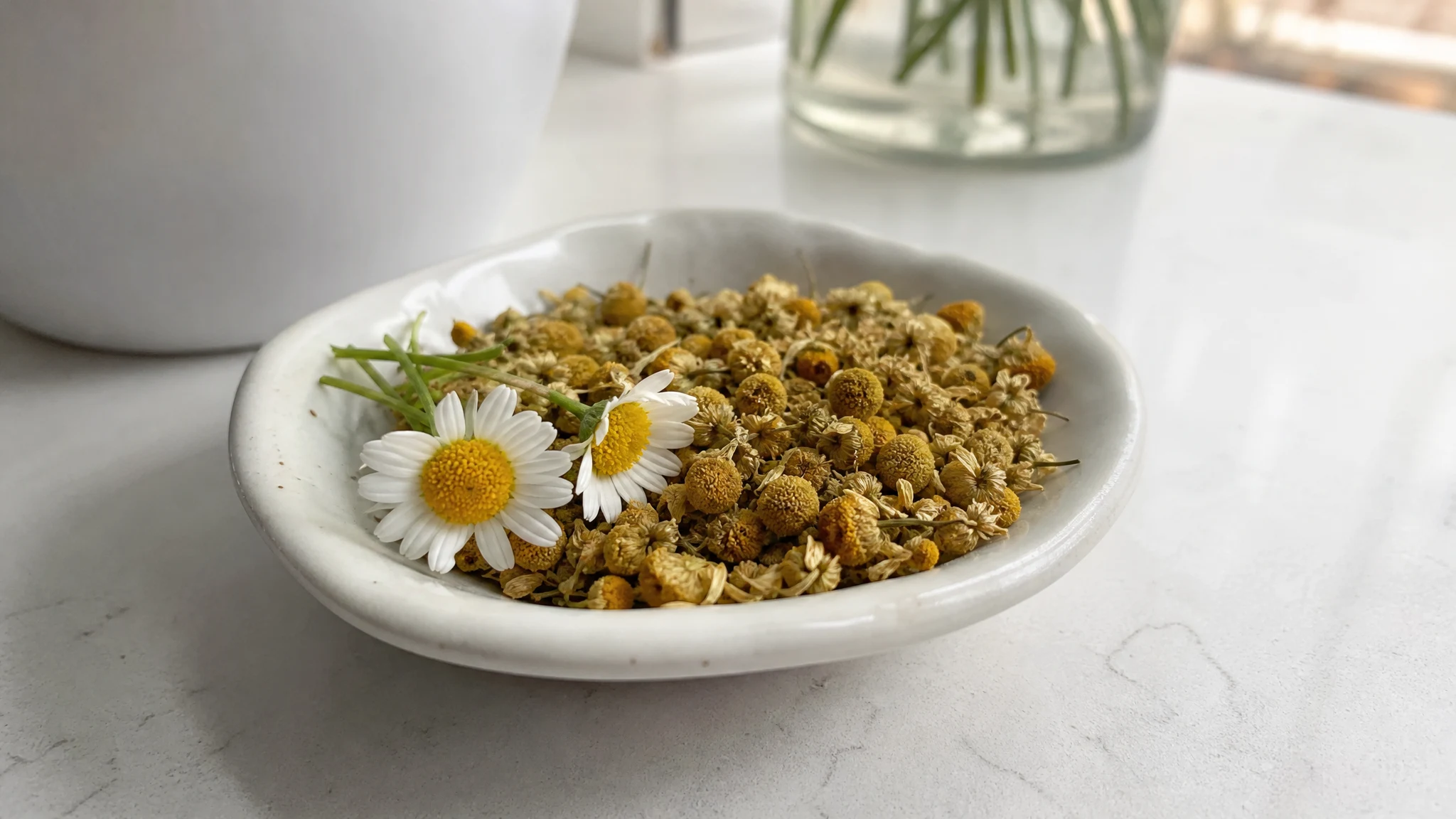
Bisabolol in Chamomile Oil: Roman or German?
Bisabolol is the chamomile compound everyone mentions. Which oil carries it, why it is not the blue, and what the research on it does and does not cover.
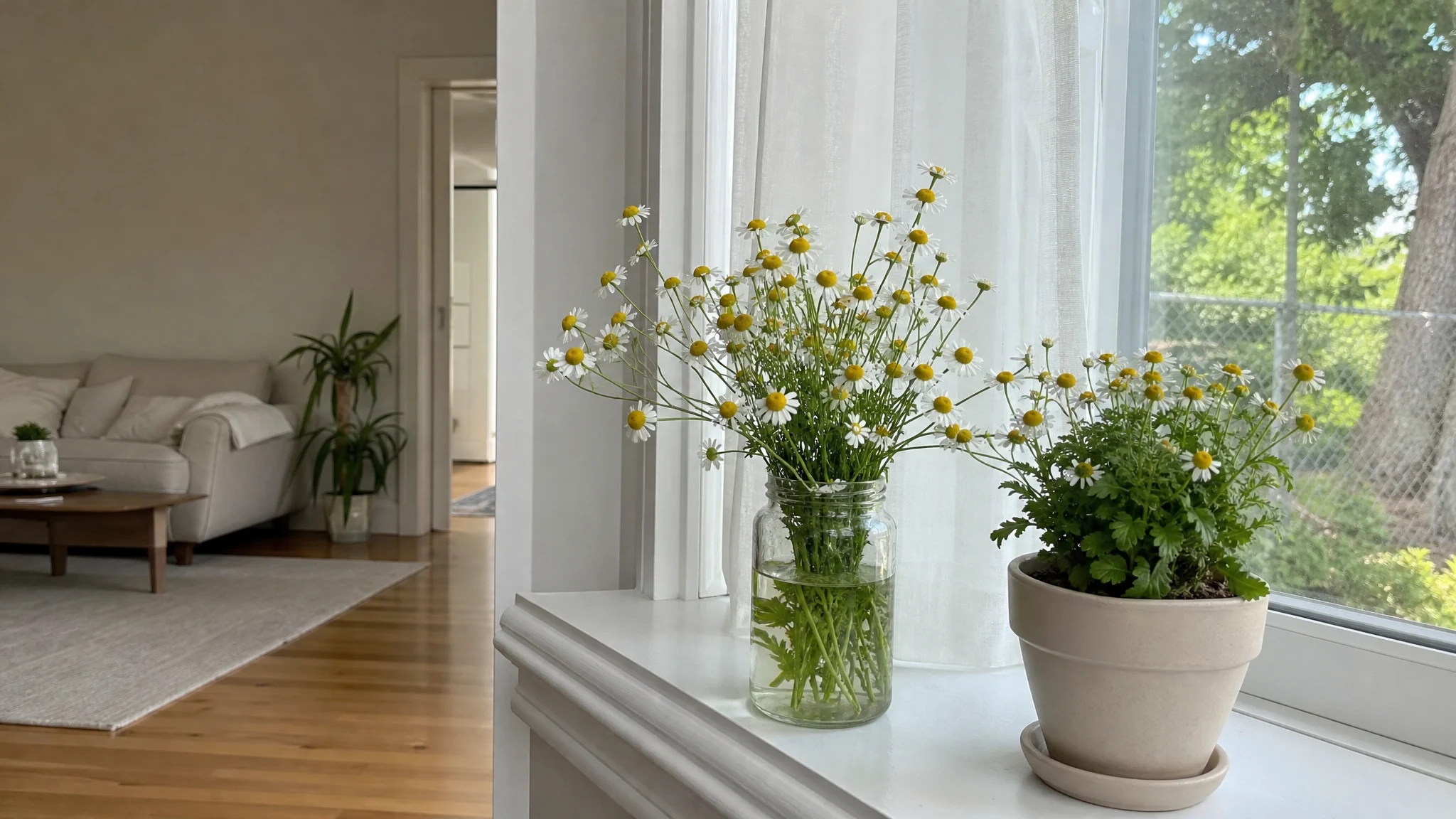
Chamomile Essential Oil: Roman vs German Explained
Roman and German chamomile share a name but not a plant. Here is how the two oils differ in aroma, color and use, and how to choose between them.
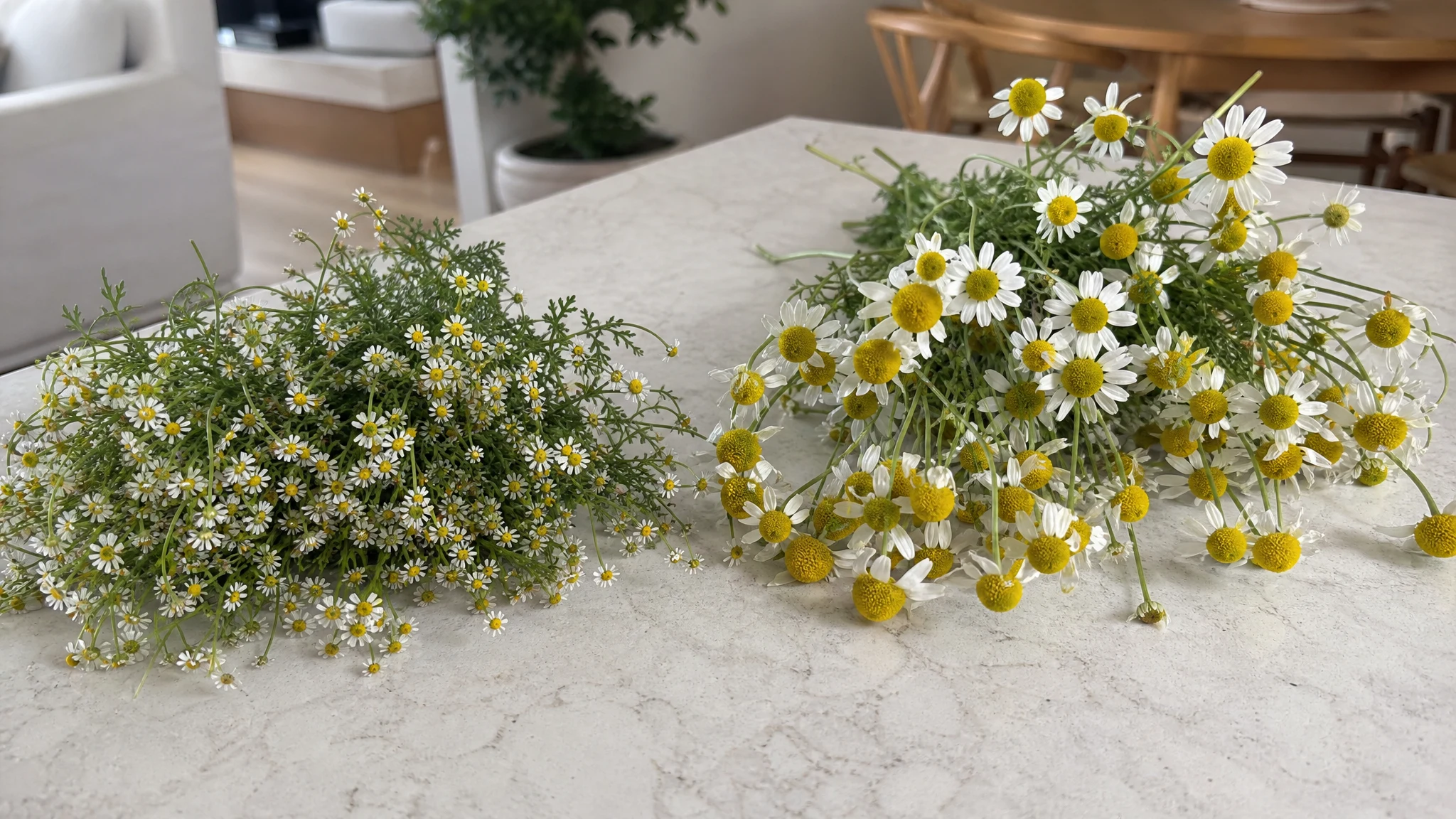
Roman vs German Chamomile Oil: Chemistry and Color
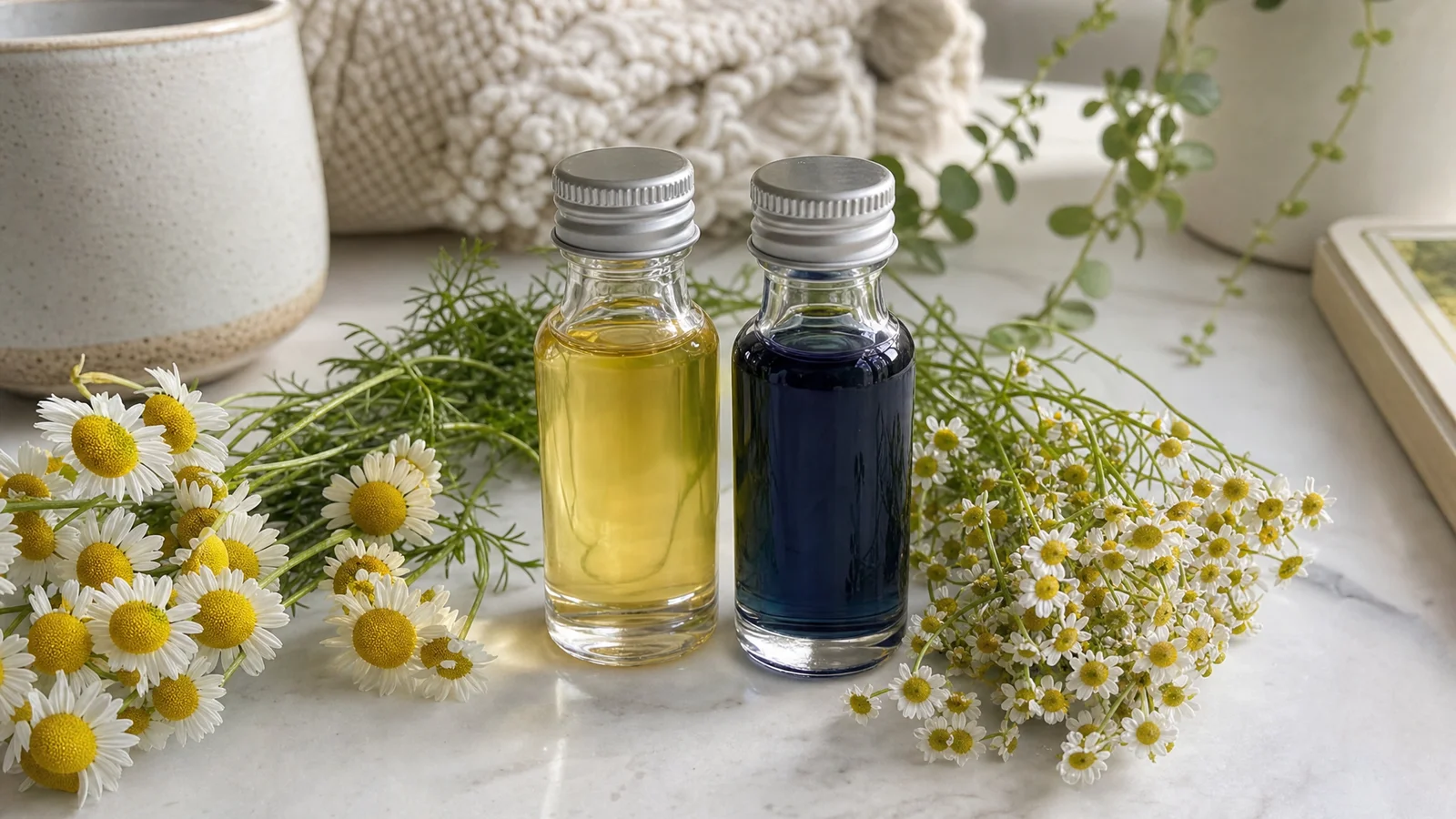
The blue in German chamomile oil forms in the still, and Roman oil is built from different molecules. Here is what that means when you choose.
Chamomile Oil for Skin and Hair: Choose It for Scent
In a skin or hair blend, chamomile is there for the aroma and the carrier does most of the work. How to pick a carrier and what to check first.
Making Chamomile Infused Oil at Home: A Safe Method
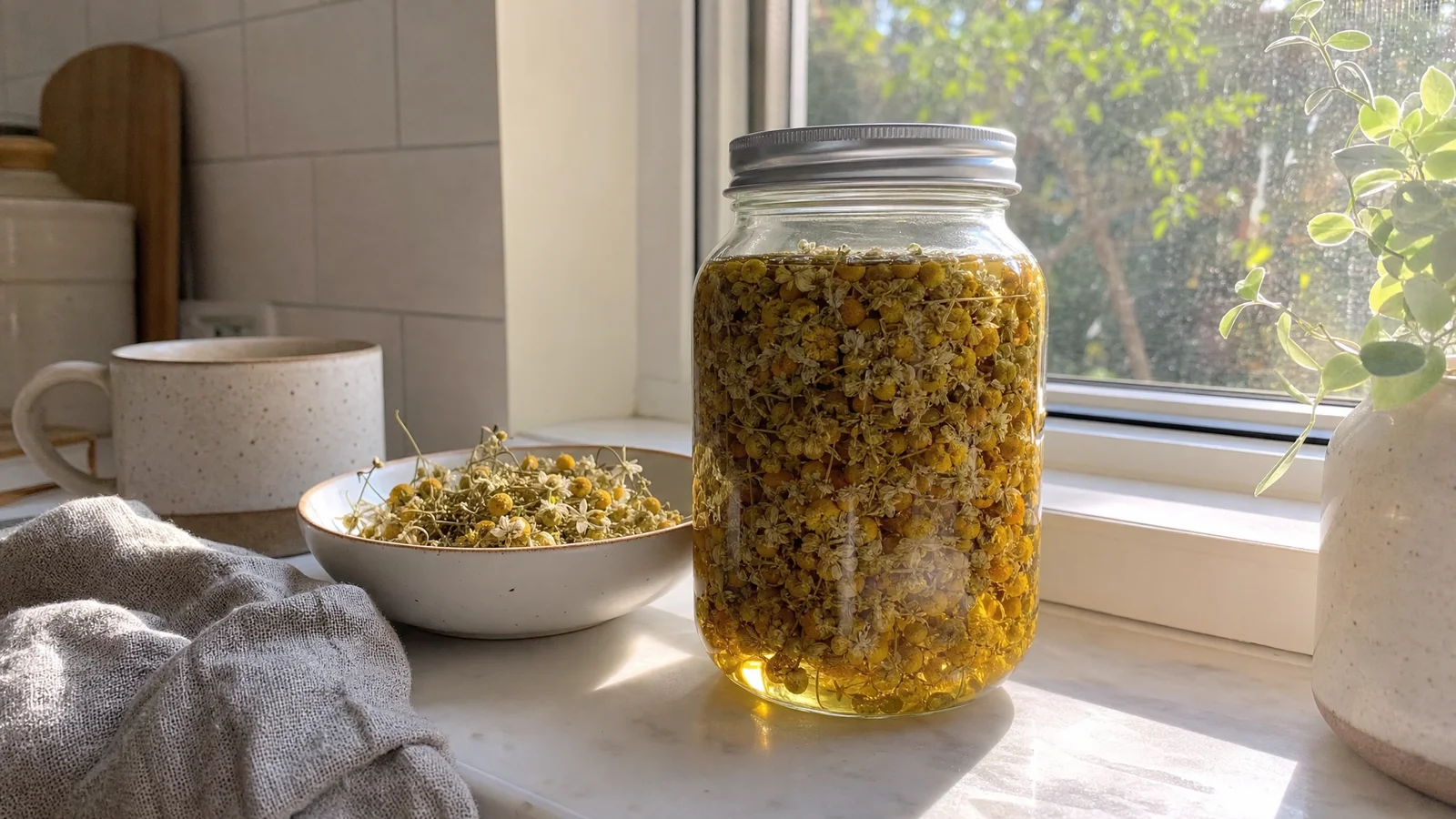
A home chamomile infusion comes down to one rule: dried flowers only. Steps, ratio and storage limits, and how it differs from essential oil.

What Does Chamomile Oil Smell Like? Apple, Hay, Not Tea
Chamomile oil is sweet, herbaceous and apple-like, and it is not a tea bag in a bottle. Here is how Roman and German differ and why bottles vary.
What Does Roman Chamomile Oil Smell Like?
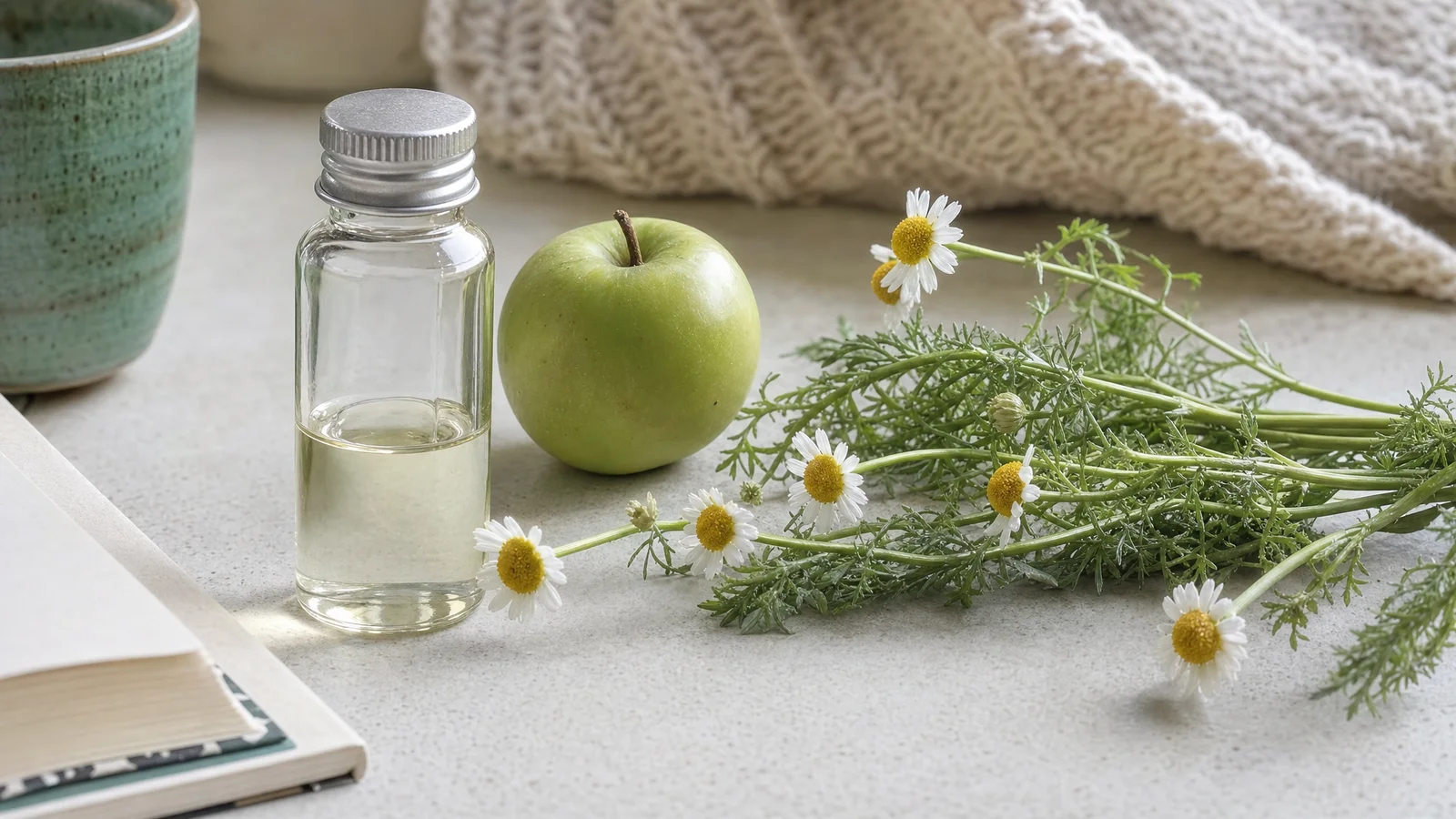
Roman chamomile smells more like ripe apples than tea. See what gives it that fruity nose, why lots differ, and where it fits in blends and skin oils.
Why Is Chamomile Oil Blue? It Happens in the Still
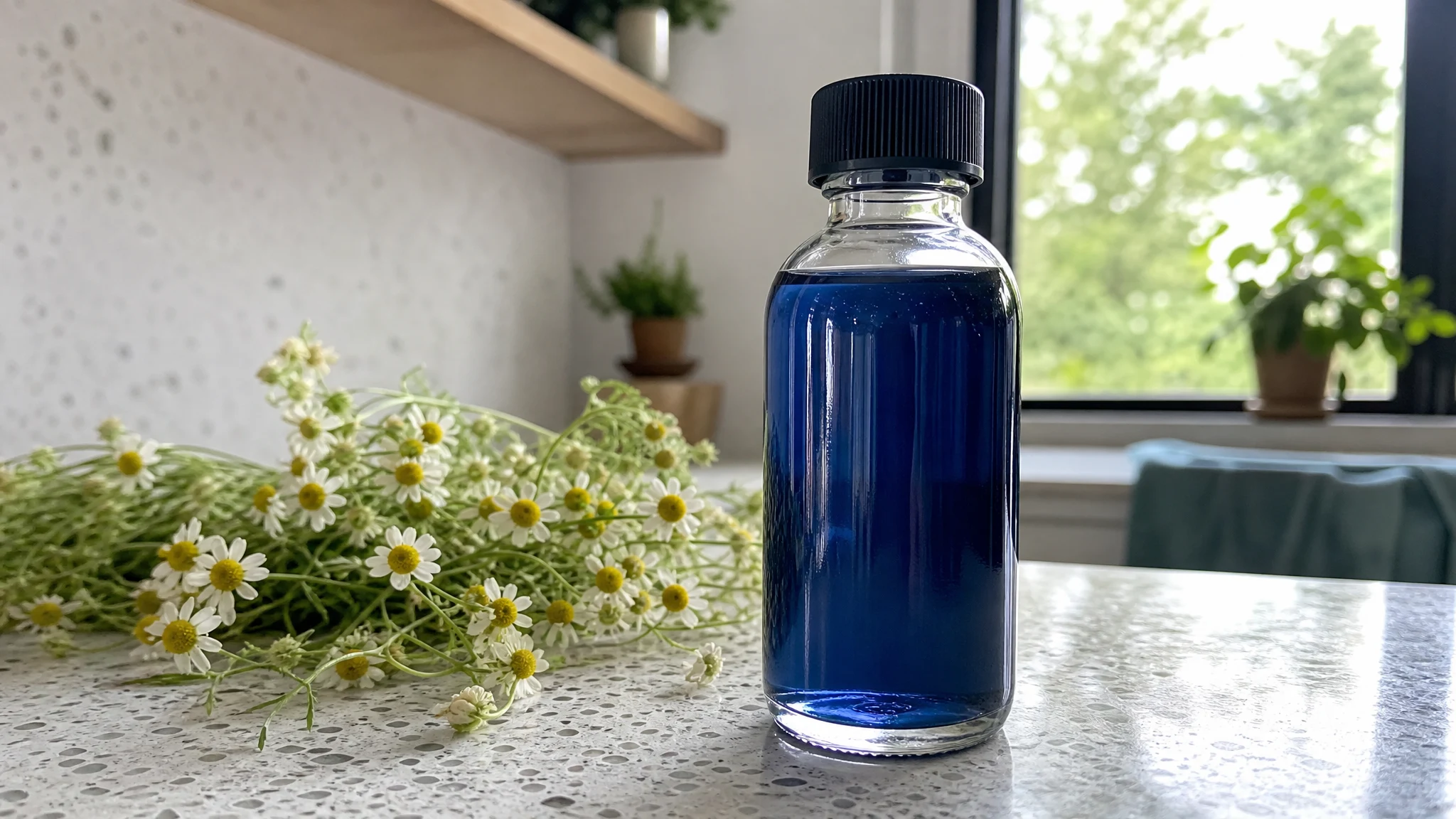
The chamomile flower is not blue. Distillation turns a precursor into chamazulene, and that is the tint in a bottle of German chamomile oil. Here is how.
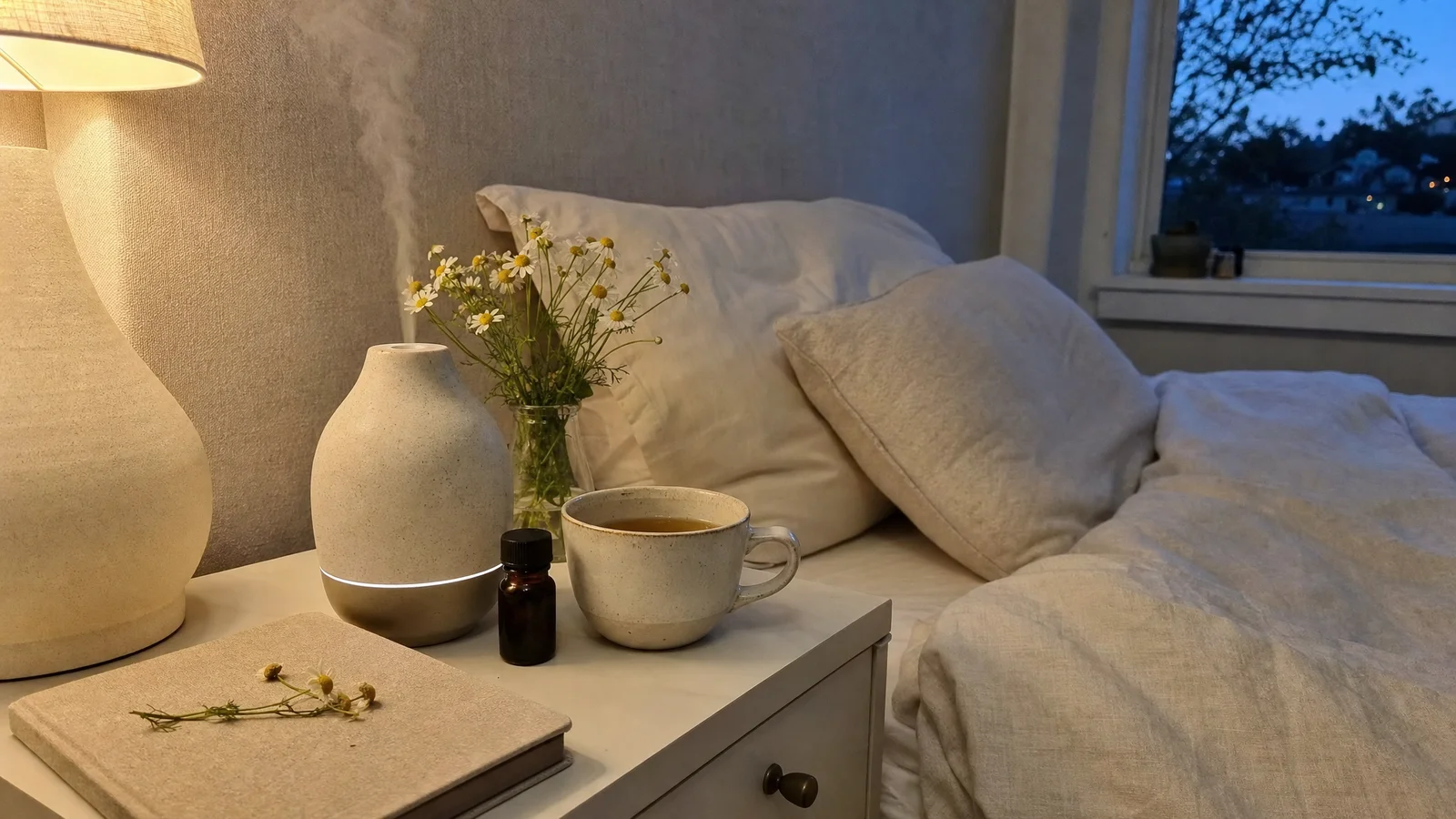
A Chamomile Evening Routine Built Around the Scent
Chamomile oil works best as the scent in an evening routine, not the star. Where it fits, what one trial measured, and what to leave out.
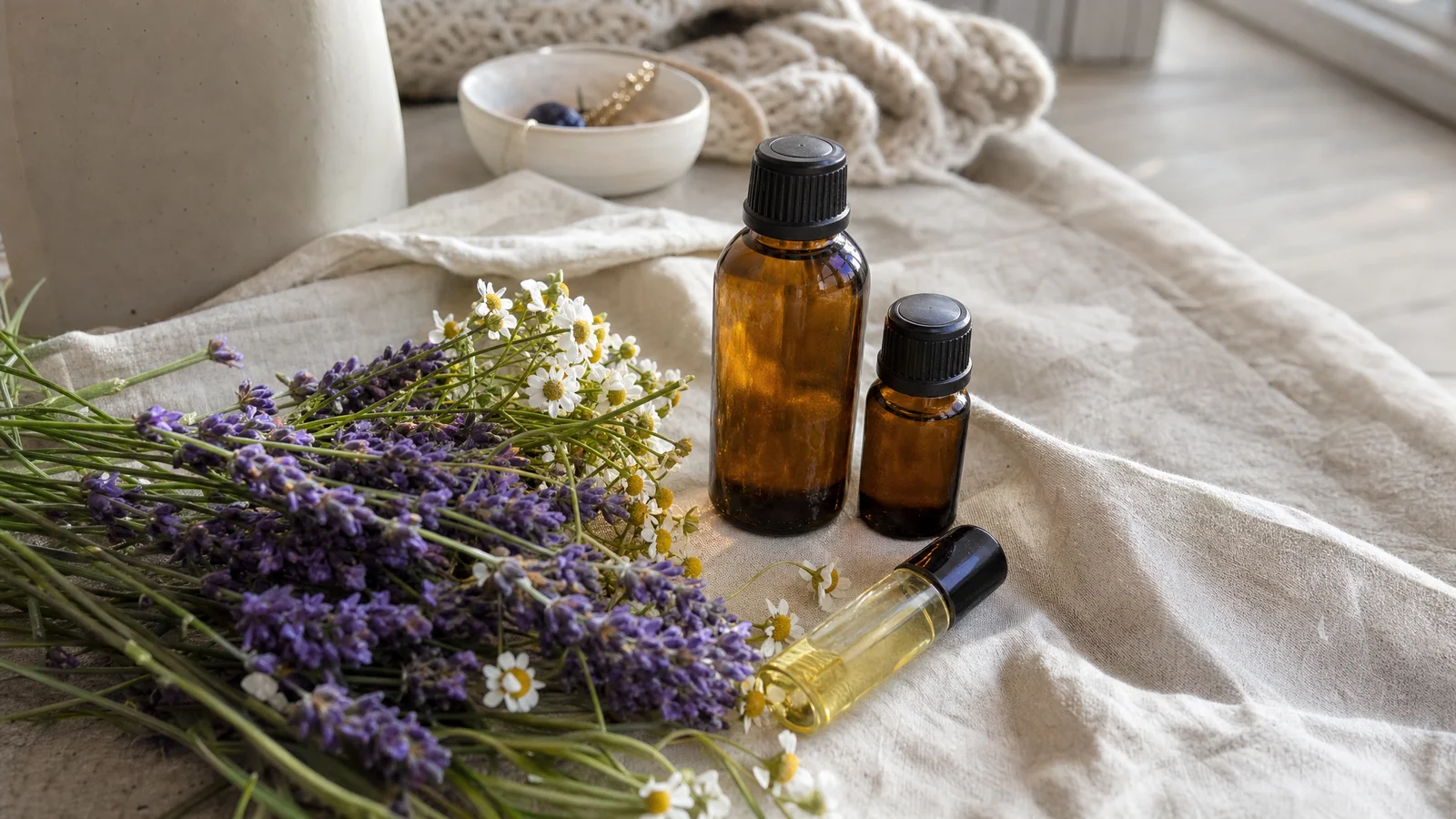
How to Blend Lavender and Chamomile Oil
Lavender and chamomile are a classic pairing. See why they blend well, which ratios to try in a diffuser, and how to work out dilution for a skin oil.
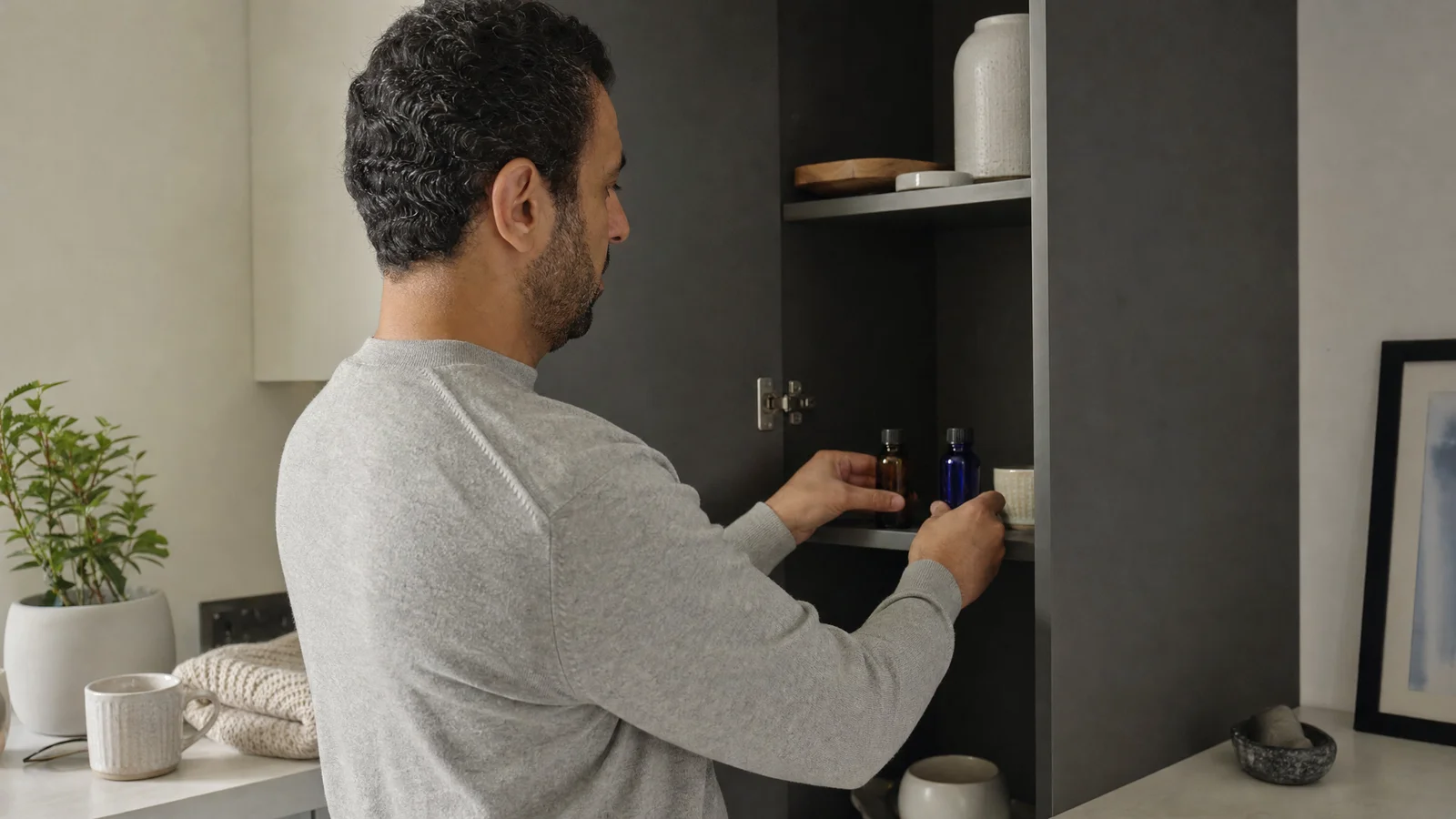
How to Store Chamomile Oil So It Keeps Its Scent
A sunny sill, a steamy bathroom or a cool drawer? A walk through the places a chamomile bottle ends up and what each does to freshness.